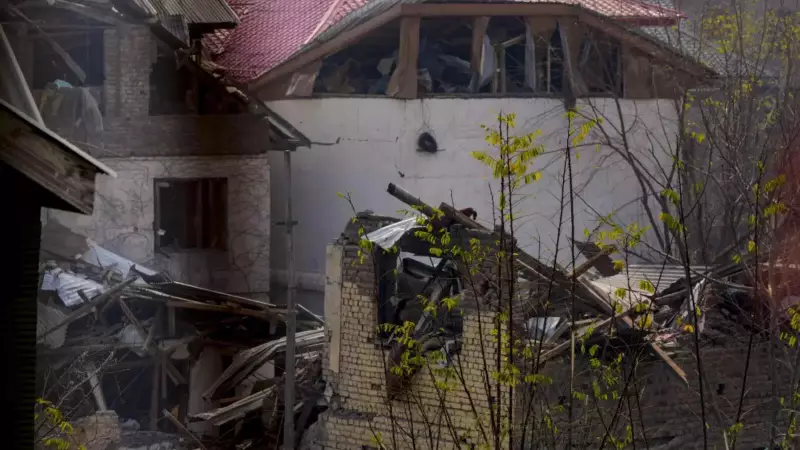
Nowgam Police Station Blast: A Wake-Up Call for Safety Protocols
A devastating explosion at the Nowgam police station in Jammu and Kashmir has left nine people dead and thirty others injured, raising urgent questions about safety protocols for handling dangerous materials. The blast, which occurred last week, was so powerful that residents described it as feeling like a missile strike.
"It felt like a missile strike," recounted a Srinagar resident living just a few hundred metres from the police station. The man was asleep when the massive explosion shook his two-storey house, sending window panes crashing onto his bed. For a terrifying moment, he believed a fresh war had broken out between India and Pakistan.
Official Confirmation and Cause Revealed
Jammu and Kashmir Police chief Nalin Prabhat, along with the Union Home Ministry, later confirmed that the blast was accidental. The explosion was caused by substances that had been seized during recent raids conducted in Faridabad. This revelation has sparked serious concerns about how such dangerous materials are stored and handled by authorities.

The timing of the incident, occurring during the night when most residents were asleep, amplified the tragedy. The sheer force of the explosion not only caused casualties within the police station but also affected nearby residential areas, highlighting the risks of storing hazardous materials in populated locations.
Growing Concerns Over Safety Protocols
This tragic incident has brought national attention to the critical need for proper safety protocols when dealing with dangerous seized materials. The fact that substances from raids in Faridabad could cause such destruction in a Jammu and Kashmir police station indicates potential gaps in the chain of custody and storage procedures.
Security experts are now questioning whether current guidelines for handling explosive or hazardous materials are being strictly followed across police stations in India. The Nowgam blast serves as a stark reminder that proper storage facilities, trained personnel, and regular safety audits are essential to prevent such accidents.
As investigations continue, authorities face mounting pressure to review and strengthen safety measures to ensure that materials seized during raids don't become sources of danger themselves. The victims of the Nowgam blast have become tragic examples of what can happen when safety protocols fail.