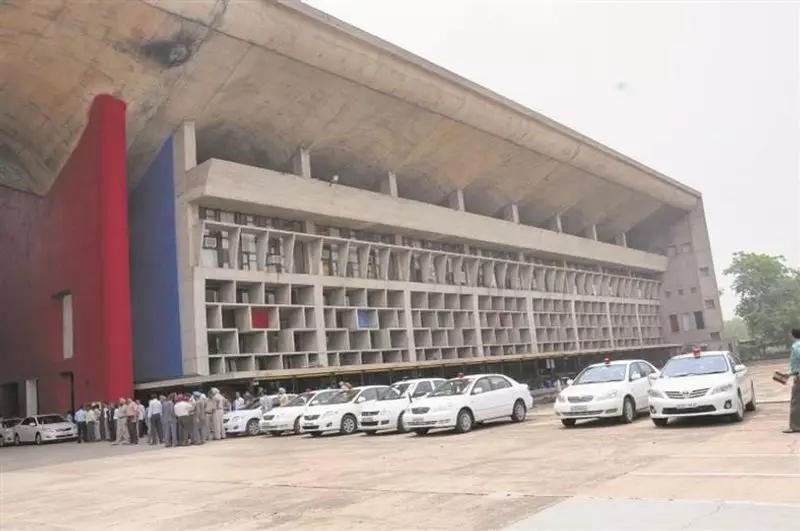
In a significant development highlighting the challenges within India's judicial system, not a single ad-hoc judge has been appointed across the country's various High Courts. This inaction persists despite a clear and direct ruling from the Supreme Court of India over three years ago, which explicitly permitted such appointments to tackle the massive backlog of pending cases.
The Supreme Court's Landmark Directive
The legal foundation for appointing ad-hoc judges was laid down by a Supreme Court bench led by Justice Sanjay Kishan Kaul. In a judgment delivered on April 20, 2021, the apex court provided a structured framework for the temporary appointment of retired judges. The primary objective was to help High Courts clear enormous pendencies, especially in cases that are over five years old.
The Supreme Court's guidelines were detailed. They stated that ad-hoc judges could be appointed for a period of two to three years, but only after the sanctioned strength of permanent judges in a High Court was full. The process required the Chief Justice of the concerned High Court to initiate the proposal in consultation with their senior colleagues. This proposal would then be sent to the central government for final approval.

Persistent Inaction and Mounting Backlogs
Despite this clear judicial roadmap, the response from the High Courts and the executive has been non-existent. Recent data presented to the Supreme Court reveals a stark reality: not one proposal for appointing an ad-hoc judge has been forwarded by any High Court to the Union government since the 2021 ruling.
This paralysis comes at a heavy cost. The backlog of cases in Indian courts continues to swell, crossing the 5 crore (50 million) mark. The situation in High Courts is particularly severe, with millions of cases stuck in the pipeline for years. The ad-hoc judge mechanism was envisioned as a vital stop-gap solution to inject temporary judicial manpower and address this crisis, but it remains entirely on paper.
Reasons Behind the Stalemate
Legal experts and observers point to several potential reasons for this delay. A primary hurdle appears to be administrative and procedural inertia. Initiating the process requires consensus within the High Court collegium and subsequent coordination with the central government, which can be a complex and slow-moving exercise.
Furthermore, there may be unspoken reservations about the mechanism itself. Some within the judiciary might prefer focusing on filling permanent vacancies rather than creating a parallel temporary system. Financial implications and defining the specific jurisdiction of ad-hoc judges could also be contributing factors to the reluctance.
Supreme Court's Frustration and the Way Forward
The Supreme Court bench, now headed by Justice Surya Kant, has expressed clear dissatisfaction with the lack of progress. The court has emphasized that the 2021 guidelines were not merely suggestions but a binding directive to be implemented. It has demanded concrete answers from the government and the High Courts on why the mechanism has been stalled.
The ongoing judicial scrutiny places the spotlight squarely on the concerned authorities. The immediate next step is for High Courts with high pendency to actively consider and initiate proposals for ad-hoc appointments. Simultaneously, the Union government must be prepared to process these proposals swiftly to avoid further bottlenecks.
The failure to utilize the ad-hoc judge provision underscores a broader issue of implementation gaps in judicial reforms. With case backlogs reaching critical levels, this tool, sanctioned by the highest court, represents a lost opportunity to deliver timely justice to millions of citizens. The coming months will be crucial in determining whether this mechanism will finally be activated or remain a forgotten chapter in India's legal history.