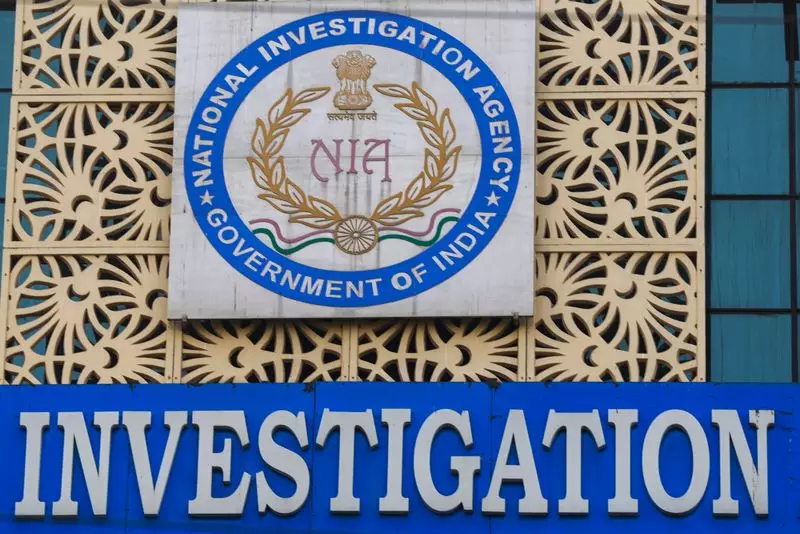
In a significant move to expedite the trial of terrorism and organized crime cases, the central government has informed the Supreme Court that every state and Union Territory in India will now have at least one dedicated court for the National Investigation Agency (NIA). The national capital, Delhi, is set to have a substantial sixteen such special courts.
Centre's Affidavit to the Supreme Court
The development came to light through an affidavit filed by the Union Ministry of Home Affairs before a bench of the Supreme Court, led by Justice Sanjay Kishan Kaul. The affidavit was submitted in response to a public interest litigation (PIL) that sought the establishment of fast-track courts specifically for trying Members of Parliament (MPs) and Members of Legislative Assemblies (MLAs).
The government's submission clarified that while the plea for fast-track courts for legislators was under consideration, a parallel and crucial system for national security cases was being implemented. The affidavit detailed the plan to notify special courts for the NIA across all states and UTs, ensuring a dedicated judicial mechanism for cases investigated by the federal agency.

Focus on Delhi and Case Disposal
The affidavit provided specific numbers, highlighting that Delhi would have the highest allocation with sixteen special courts for NIA cases. This move is aimed at clearing the backlog and ensuring swift justice in complex cases related to terrorism, insurgency, and organized crime that often have inter-state or international links.
The government's stance emphasized that the creation of these exclusive courts would significantly reduce delays in the judicial process for serious offences. By having dedicated judges and infrastructure, the trials are expected to be more focused and efficient, addressing a long-standing demand for faster resolution in cases that impact national security.
Broader Implications for India's Legal Framework
This decision marks a substantial strengthening of the institutional framework supporting the NIA, which was established in the aftermath of the 2008 Mumbai attacks. The agency investigates a wide range of offences, including terror acts, counterfeit currency, human trafficking, and cyber-terrorism.
The establishment of state-wise dedicated courts is seen as a logical step to support the agency's expanding mandate and caseload. It underscores the government's commitment to a robust legal response to security challenges. This infrastructure push is expected to enhance coordination between central investigating agencies and state judicial systems, leading to more effective prosecution.
Legal experts view this as a positive step that could serve as a model for expediting other categories of serious crimes. The move also aligns with ongoing judicial reforms aimed at reducing the massive pendency of cases in Indian courts, particularly in sensitive matters that have implications for public safety and national integrity.