NGT Issues Directive to Haryana Government on Somb River De-silting
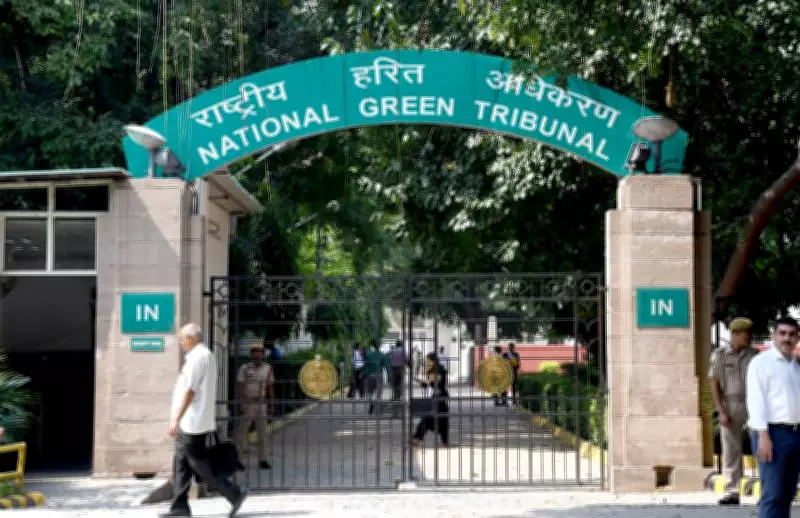
The National Green Tribunal (NGT) has issued a significant directive to the Haryana government, instructing it not to commence de-silting work in the Somb River. This decision comes amid growing environmental concerns and highlights the tribunal's role in safeguarding natural resources from potentially harmful activities.
Environmental Concerns Prompt NGT Intervention
The NGT's order was based on apprehensions that the proposed de-silting operations could lead to adverse ecological impacts. De-silting, which involves removing sediment from riverbeds, often disrupts aquatic ecosystems, affects water quality, and can harm local biodiversity if not conducted with proper safeguards.
In its ruling, the NGT emphasized the need for thorough environmental assessments before such projects are initiated. The tribunal noted that the Haryana government had not obtained the necessary clearances or conducted comprehensive studies to evaluate the potential consequences of the de-silting work on the Somb River's health and surrounding areas.

Legal and Regulatory Framework
The directive underscores the importance of adhering to environmental laws and regulations in India. The NGT, established under the National Green Tribunal Act of 2010, has the authority to handle cases related to environmental protection and conservation. Its interventions are crucial in ensuring that development activities do not compromise ecological balance.
For the Somb River project, the NGT has called for a detailed review of the proposed de-silting plan. This includes assessing its alignment with sustainable practices and compliance with statutory requirements. The tribunal's move aims to prevent any irreversible damage to the riverine ecosystem, which supports various flora and fauna and serves as a vital water source for local communities.
Implications for Haryana and Future Projects
This order has broader implications for infrastructure and development projects in Haryana and across India. It signals that environmental considerations must be prioritized in planning and execution phases. Governments and agencies are now on notice to ensure that all necessary approvals and impact studies are completed before embarking on similar initiatives.
The Haryana government is expected to respond to the NGT's directive by halting all preparations for the de-silting work and initiating the required environmental evaluations. This case may set a precedent for how river management projects are approached, balancing developmental needs with ecological preservation.
In conclusion, the NGT's intervention in the Somb River de-silting issue highlights the critical role of judicial oversight in environmental governance. It serves as a reminder that sustainable development requires careful planning and adherence to legal frameworks to protect natural habitats for future generations.