A crucial special convention of Nepal's ruling Nepali Congress party kicked off in the capital, Kathmandu, on Friday. The gathering, however, is overshadowed by a widening and public internal rift within the party, just weeks before important local-level elections scheduled for March.
Convention Opens Amidst Political Tensions
The convention began at the Nepal Academy Hall in Kamaladi, with party president and Prime Minister Sher Bahadur Deuba inaugurating the session. The primary agenda is to endorse a political document presented by Deuba and to discuss strategies for the upcoming local polls. Despite the formal proceedings, the atmosphere is charged with dissent from a faction led by senior leader Shekhar Koirala.
The faction opposing Deuba has vocally criticized the party's current leadership and direction. They have raised serious objections, claiming the convention was called unilaterally without proper consultation and that the political document lacks substantive vision. This group has threatened to stage a parallel gathering or walkout if their concerns are not addressed, signaling a deep fracture within the historic party.
The Core of the Internal Conflict
The rift centers on leadership and electoral strategy. The dissenting faction, which includes prominent figures like Shekhar Koirala, Dr. Shashanka Koirala, and Arjun Narsingh KC, accuses the party establishment of failing to strengthen the organization and prepare effectively for the elections. They are demanding more democratic processes within the party and a clear, actionable roadmap for the polls.
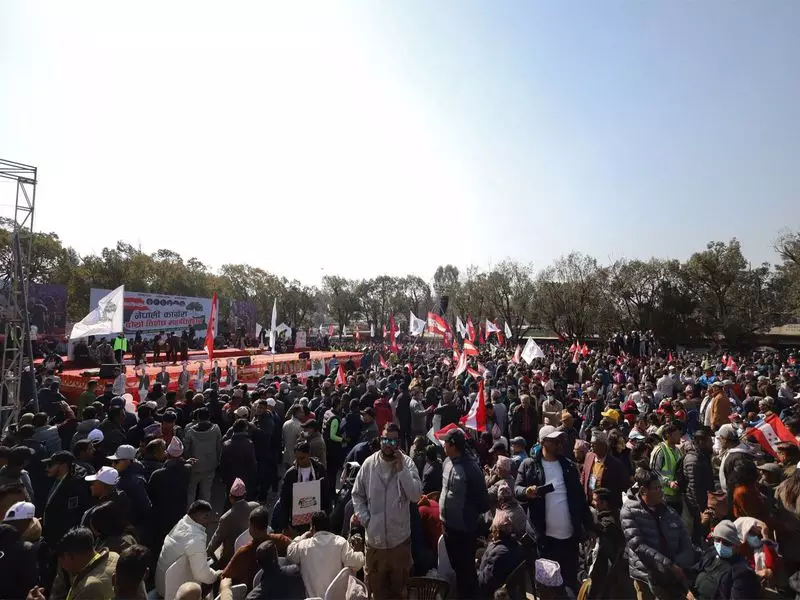
In a significant show of strength, the dissident group organized a massive rally in Kathmandu on Thursday, a day before the official convention. This rally demonstrated substantial support for their cause and put public pressure on the party leadership. The internal conflict has become a major political spectacle in Nepal, drawing attention away from policy discussions and toward internal power struggles.
Implications for Nepal's Political Landscape
The timing of this rift is critical. With local-level elections set for May 13, 2022 (postponed from March due to the pandemic), a divided Nepali Congress could face significant setbacks. The party needs a united front to compete effectively against a resurgent opposition, including the CPN-UML and the CPN (Maoist Centre).
Analysts suggest that the outcome of this convention could determine the party's cohesion and electoral fortunes. If the differences are not reconciled, it could lead to a formal split or a severely weakened campaign. The situation also poses a challenge to Prime Minister Sher Bahadur Deuba's authority, both within his party and in the coalition government he leads.
The eyes of the nation are now on how the party's senior leadership navigates this crisis. Whether they can bridge the gap through dialogue or whether the convention deepens the divide will have lasting consequences for Nepal's democratic stability and the future of its oldest democratic party.