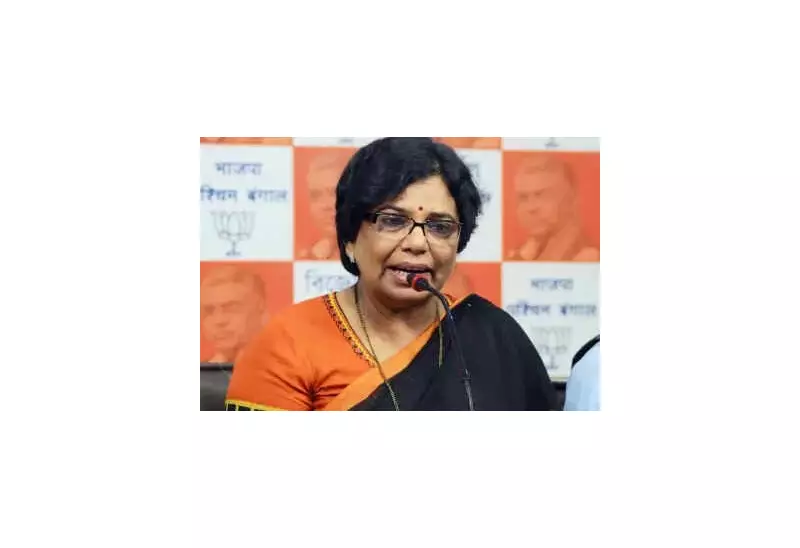
In a significant move to bolster women's safety and welfare mechanisms, the chairperson of the National Commission for Women (NCW), Vijaya Rahatkar, conducted a comprehensive review in Assam's Jorhat district on Monday. The high-level meetings with district administration and police officials focused on assessing the implementation of laws and support systems designed for women.
Strengthening Institutional Support and Coordination
The detailed review meeting was organized at the Jorhat Circuit House and involved senior officials from the district administration. Vijaya Rahatkar underscored the critical need for timely and effective action in all matters impacting women's safety, dignity, and rights. She warned that delays in institutional responses can severely damage public trust.
"Women must feel that the system stands with them at every stage — from lodging a complaint to final resolution," Rahatkar stated during the interaction. She placed special emphasis on strengthening institutional frameworks at the district and sub-divisional levels to ensure accessible and dependable support platforms for women.

The NCW chairperson called for regular monitoring of women's cells, legal aid services, and counselling facilities. She highlighted that strong institutions, clear accountability, and close coordination are fundamental to achieving a zero-tolerance stance towards crimes against women.
Enhancing Grassroots Outreach and Awareness
A major part of the discussion revolved around improving outreach in rural and remote areas of the Jorhat district. Officials were urged to adopt proactive, citizen-centric approaches to ensure that information about government schemes, helplines, and support systems reaches every woman.
Rahatkar advocated for awareness drives, village-level meetings, and collaboration with local bodies and community groups. "Policies are meaningful only when the last woman in the village knows her rights and how to seek help," she remarked, stressing the importance of grassroots empowerment.
The meeting saw the presence of key officials including Jorhat Deputy Commissioner Jay Shivani, the CEO of the zilla parishad, members of the Jorhat Women’s Cell, and representatives from various line departments. They briefed the NCW chairperson on ongoing initiatives, challenges, and the status of key programmes related to women's safety, health, livelihoods, and empowerment.
Focus on Police Preparedness and Sensitive Handling
In a separate session, Rahatkar held a dedicated review with the police administration to examine law and order responses to crimes against women. The discussion, attended by Jorhat SSP Subhrajyoti Borah and other senior police officers, centered on several critical areas.
Police preparedness, the quality of investigations, sensitivity in handling survivors, and the prompt registration of cases were the key points of deliberation. This focused dialogue aimed to streamline the police response mechanism to ensure justice and support for victims.
Both meetings concluded with a strong appeal from the NCW Chairperson for closer coordination between civil and police administration. She pushed for measurable improvements in grievance redressal and the overall delivery of services to women, aiming to build a more robust and responsive ecosystem for their protection and progress in Jorhat and beyond.