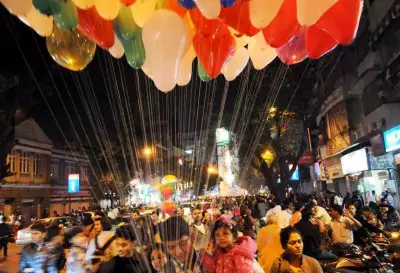
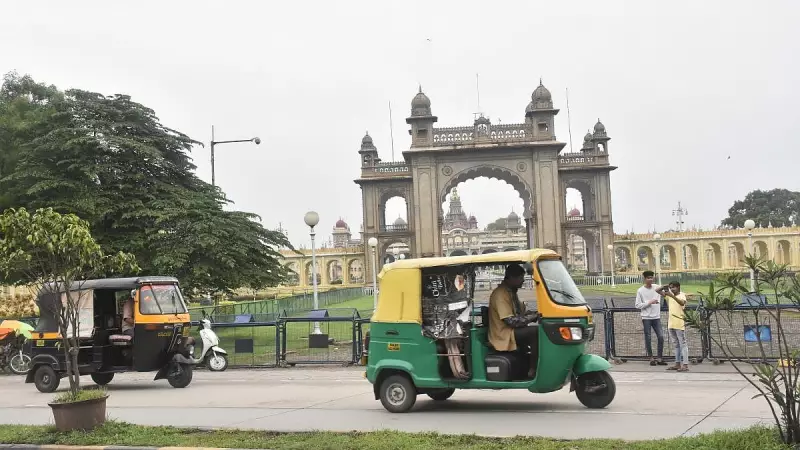
A loud explosion caused by a gas cylinder rattled the area near the iconic Mysuru Palace on Sunday afternoon, leaving a balloon vendor injured and triggering a security alert. The incident occurred at a popular spot frequented by tourists and locals, leading to immediate police intervention and a detailed probe into the cause.
Details of the Incident and Immediate Response
The blast took place around 1:30 PM on April 13 near the north gate of the Mysuru Palace. According to police reports, a balloon seller identified as Syed Ishaq (28) was filling balloons when the cylinder he was using exploded. The force of the blast caused injuries to Ishaq, who was subsequently rushed to a nearby hospital for treatment. His condition is reported to be stable.
Local police, including personnel from the Devaraja police station, swiftly cordoned off the area. Forensic experts were summoned to the scene to collect evidence and determine the exact sequence of events. Initial investigations by the police revealed a critical detail: the vendor was not using inert helium gas to inflate the balloons but was instead using a different, more flammable gas mixture.
Investigation Reveals Use of Flammable Gas
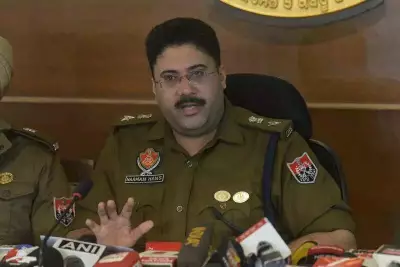
Mysuru City Police Commissioner B. Ramesh addressed the media, clarifying the nature of the gas involved. "The balloon vendor was using hydrogen gas mixed with another gas, not helium," Commissioner Ramesh stated. This distinction is significant from a safety and security perspective, as hydrogen is highly combustible and poses a much greater risk of accidental ignition.
The police have registered a case and are investigating whether the vendor was aware of the dangers associated with using such a gas mixture in a crowded public space. The incident has raised questions about the regulation of street vendors selling inflatable items and the materials they use.
Heightened Security and NIA Probe
Given the location's high profile and the nature of the explosion, security agencies have taken a serious view of the event. Authorities have indicated that a team from the National Investigation Agency (NIA) is likely to visit Mysuru to examine the spot and the circumstances surrounding the blast.
The potential involvement of the premier anti-terror agency underscores the precautionary approach being adopted. Officials are keen to rule out any malicious intent or sabotage, especially in the wake of recent security advisories. The police are also reviewing CCTV footage from the vicinity to piece together the moments leading up to the explosion.
The area around Mysuru Palace, a major tourist attraction, witnessed brief panic following the loud sound. However, prompt action by law enforcement helped restore normalcy. The incident serves as a stark reminder of the potential hazards posed by unregulated use of pressurized gas cylinders in public areas and is likely to lead to increased scrutiny of such activities.