Murder Convicts Granted Parole for Wedding After Developing Relationship in Rajasthan Prison
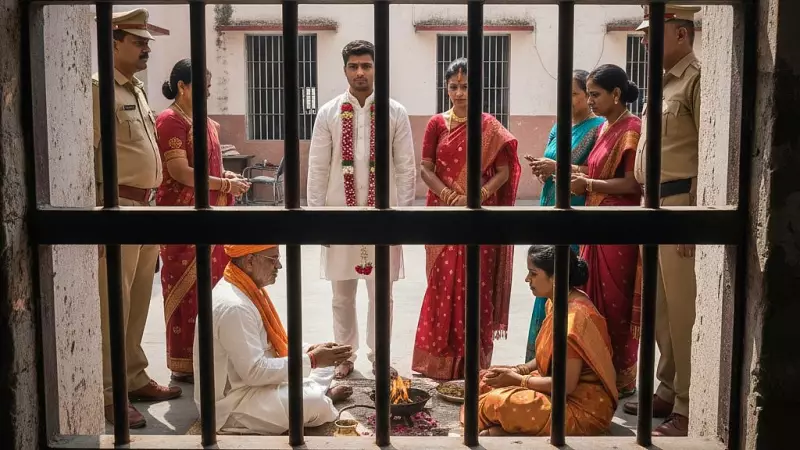
In an unusual development from Rajasthan's correctional system, two inmates convicted for high-profile murders have been granted parole specifically to solemnize their marriage. The convicts, whose identities remain protected, reportedly developed a romantic relationship while serving their sentences at the Sanganer open prison facility.
Judicial Intervention Facilitates Unconventional Parole Decision
The Rajasthan High Court played a pivotal role in this extraordinary case when it issued directions on January 7, 2026. The court specifically instructed the parole committee to make a determination on the convicts' applications within a strict seven-day timeframe. This judicial intervention accelerated what might otherwise have been a prolonged administrative process.
Legal counsel Vishram Prajapat confirmed the parole approval, noting that the court's directive was instrumental in facilitating this unique circumstance. The decision represents a significant departure from conventional parole considerations, which typically focus on medical emergencies, family crises, or agricultural requirements.

Unprecedented Case from Sanganer Open Prison Facility
The Sanganer open prison, where the relationship blossomed between the two convicts, operates under a relatively relaxed security regime compared to traditional correctional facilities. This environment apparently provided the opportunity for the inmates to interact and form a bond that has now culminated in their planned marriage.
This case raises intriguing questions about rehabilitation, human relationships, and judicial discretion within India's penal system. While parole for marriage purposes remains exceptionally rare, especially for those convicted of serious crimes like murder, the Rajasthan High Court's decision establishes a noteworthy precedent.
Broader Implications for Prison Administration and Rehabilitation
The parole decision prompts consideration of several important aspects:
- The evolving approach to prisoner rehabilitation in India's correctional facilities
- The balance between security concerns and human rights considerations
- The role of judicial oversight in exceptional parole circumstances
- The potential impact on future parole applications involving similar humanitarian considerations
As the convicts prepare for their wedding under parole supervision, this case continues to generate discussion among legal experts, prison administrators, and social commentators about the boundaries of compassion within the justice system.