32-Hour Gridlock Paralyzes Mumbai-Pune Expressway After Gas Tanker Accident
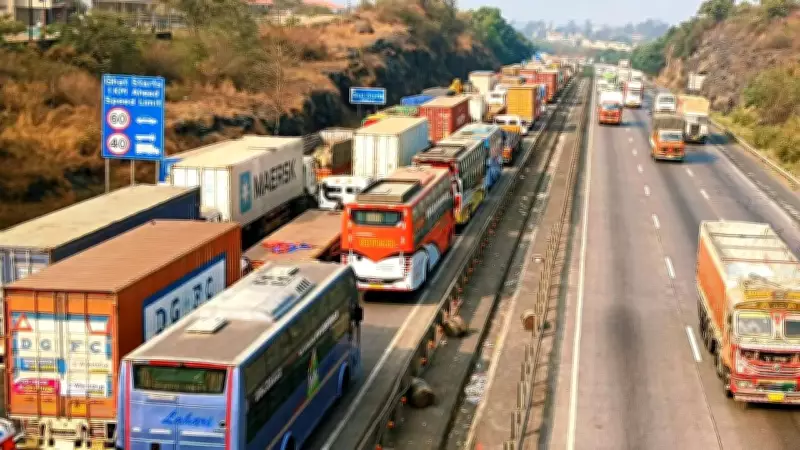
A catastrophic gas tanker accident near the Adoshi Tunnel on the Mumbai-bound carriageway of the Mumbai-Pune Expressway has resulted in one of the most severe traffic disruptions in recent memory. The incident, which unfolded over 32 agonizing hours, brought the vital arterial route to a complete standstill, creating a nightmarish scenario for thousands of commuters and commercial operators alike.
Chaos Unleashed by Hazardous Gas Leak
The crisis began when a BPCL-operated gas tanker overturned in close proximity to the Adoshi Tunnel, leading to significant structural damage. Officials confirmed that the tanker sustained damage at three critical valve points, causing a continuous and hazardous gas leak that posed serious fire and explosion risks. In response, authorities swiftly declared the area around the tunnel as a high-risk zone, implementing strict access controls and suspending all traffic movement to prevent any potential ignition sources.
Humanitarian Crisis Unfolds on the Highway
Among the most severely affected were vulnerable groups, including children, senior citizens, and cancer patients who were traveling to Mumbai for essential medical treatments. Many were forced to endure excruciating delays without access to food, water, or medical assistance, resulting in missed critical hospital appointments and flights. Disturbing reports emerged of families being compelled to sleep in their vehicles, while ambulances carrying patients remained immobilized for hours on end.
Massive Economic and Logistical Fallout
The gridlock had devastating economic consequences, with transporters estimating losses amounting to approximately Rs 20 crore. This financial blow stemmed from the prolonged detention of around 30,000 heavy vehicles, which severely disrupted cargo movement across the region. The Maharashtra State Road Transport Corporation (MSRTC) was forced to cancel 139 bus services, including 73 premium e-Shivneri buses, while an additional 163 buses were stranded on the expressway, leaving passengers in a state of uncertainty and confusion.
Response and Recovery Efforts Under Scrutiny
State disaster management officials have raised serious concerns about the delayed response from BPCL. It was revealed that the company's specialized recovery van, needed to plug the gas leak, was stationed in Kochi, leading to a critical delay in addressing the hazardous situation. BPCL officials, however, maintained that the tanker had undergone mandatory safety checks and attributed the leakage solely to the impact of the accident, not to any design flaws. A thorough investigation into the incident has been promised.
Emergency Measures and Alternate Routes Activated
In a bid to alleviate the unprecedented congestion, police authorities took the drastic step of breaking the median to open one lane from the Pune carriageway, allowing limited Mumbai-bound traffic to pass. Commuters were strongly advised to utilize alternate routes such as Tamhini, Malshej, or Bhimashankar until the gas leak was completely neutralized and the expressway deemed safe for normal traffic flow.
This monumental traffic snarl underscores the fragility of critical infrastructure and the cascading effects of such accidents on public safety, healthcare access, and economic activity. The incident serves as a stark reminder of the need for robust emergency protocols and faster response mechanisms to mitigate the impact of similar crises in the future.