Mumbai Psychologists Targeted by Elaborate Fake Payment Scam
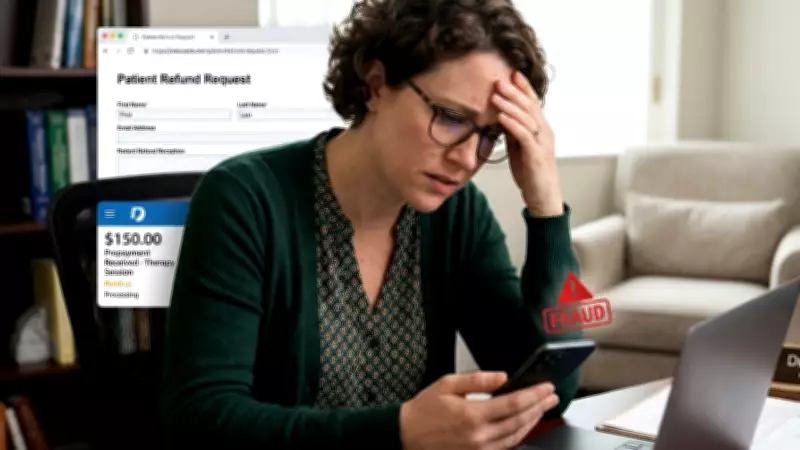
Clinical psychologists in Mumbai are raising alarms over a sophisticated payment scam where fraudsters are posing as patients to deceive mental health professionals. The scheme involves scammers contacting therapists via phone or text to schedule appointments, claiming they will make prepayments online. They then share fabricated transaction screenshots to create an illusion of payment, only to later cancel and aggressively demand refunds for money that was never actually transferred.
How the Scam Unfolds
The scam typically begins with a caller, pretending to be a patient in need of therapy, who books an appointment and insists on making an online prepayment. After the psychologist provides payment details, such as a QR code, the scammer sends a screenshot that appears to show a successful transaction, complete with details like time and even the sender's phone battery status to enhance authenticity. However, no funds are ever received by the therapist.
Subsequently, the scammer cancels the appointment under false pretenses—such as claiming a spouse booked with another doctor—and urgently requests a refund. If the psychologist proceeds without verifying the payment, they end up losing their own money. This rush tactic is a key element of the fraud, pressuring professionals into hasty decisions.
Personal Accounts from Affected Psychologists
One counsellor, who wished to remain anonymous, shared their experience of being defrauded. "The scammer rushes the counsellor into making a refund. If one proceeds with it without verification, one ends up losing money," they explained, highlighting the emotional and financial toll of such incidents.
Psychologist Kiran Makhijani recounted a similar encounter where a scammer became abusive when she clarified that no payment had been received, thus no refund could be issued. "This individual conversed with me entirely over texts. She claimed she wasn't from Mumbai and had got my reference during a visit to a reputed hospital here," said Makhijani. After sharing a QR code and receiving a fake transaction photo, the scammer turned aggressive, using abusive language and falsely accusing her of cheating. "As professionals working with integrity, such interactions are upsetting," she added.
Availability of Fake Screenshot Templates
Psychologist Alisha Lalljee pointed out that templates for creating fake payment screenshots are readily available online, making it easy for scammers to produce convincing forgeries. "I was approached by scammers posing as patients on two separate occasions. They were quick to inquire about fees and appointment slots, without going into details about the therapy session," said Lalljee.
She described receiving an image that seemed authentic but was later identified as a template using an online image recognition tool. "The image had transaction details, time and even the sender's phone battery status. The image appeared authentic but no money was received. I uploaded the screenshot to an online image recognition tool and discovered that it was made from a template," Lalljee explained, emphasizing the need for vigilance among mental health practitioners.
Broader Implications and Advice
This scam not only causes financial losses but also undermines the trust and well-being of psychologists who dedicate themselves to helping others. Experts advise therapists to always verify payments through official banking channels before processing any refunds and to be cautious of patients who avoid discussing therapy details while focusing solely on payment logistics. Raising awareness about such frauds is crucial to protect the mental health community in Mumbai and beyond.