Mumbai Court Grants Travel Permission to MSCB Case Accused for Dubai Sugar Conference
A special court in Mumbai has made a significant decision in the ongoing Maharashtra State Cooperative Bank (MSCB) fraud case. On Monday, the court permitted Sachin Singare, a director of Jarandeshwar Sugar Mills Pvt Ltd, to travel abroad. He plans to attend the Dubai Sugar Conference scheduled for February 2026.
Court Emphasizes Right to Travel as Part of Personal Liberty
Special Judge Mahesh K Jadhav delivered the ruling. The court noted that the right to travel abroad holds great value. It forms an integral part of the fundamental right to personal liberty. Judge Jadhav stated that any concerns from the prosecution could be effectively managed. The solution lies in imposing strict conditions on the applicant.
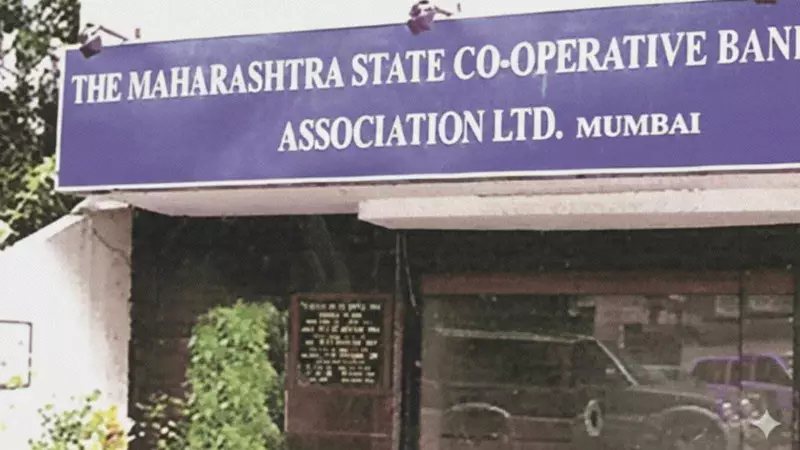
Sachin Singare serves as the current director and authorized representative of Jarandeshwar Sugar Mills. This company faces accusations in the massive MSCB fraud case. The allegations involve a staggering Rs 25,000-crore loss. Prosecutors claim irregularities occurred in loan disbursements to sugar mills. They further allege these mills were later sold at undervalued prices to relatives of the bank's directors.

Details of the Travel Application and Conference
Singare submitted a formal application to the court. He requested permission to travel to Dubai from February 6 to February 11, 2026. His primary purpose is attendance at the Dubai Sugar Conference. Following the business event, he intends to enjoy a family vacation in the city.
The application included supporting documents. Singare provided a copy of the official invitation to the Dubai Sugar Conference 2026. He also submitted the detailed itinerary for his proposed visit. The court reviewed these materials carefully before making its decision.
The Dubai Sugar Conference promises to be a major industry gathering. It is set to run from February 2 to February 5. The agenda features critical discussions on global sugar consumption trends. Sessions will explore topics like leveraging artificial intelligence in the sugar sector. There will also be a focus on India's role in the international sugar market. The event includes an international sugar quiz and a lifetime achievement award for industry veterans.
Court's Reasoning and Past Compliance
Judge Jadhav highlighted Singare's previous conduct. The applicant has sought and received court permission for foreign travel before. On those prior occasions, he fully complied with all terms and conditions set by the court. He did not violate any restrictions imposed upon him.
This history of compliance influenced the court's current decision. It demonstrated Singare's respect for judicial directives. The court found that stringent conditions could adequately address prosecution worries about flight risk or evidence tampering.
Background of the MSCB Fraud Case
The MSCB fraud case remains a high-profile legal matter in Maharashtra. It involves multiple accused parties beyond Jarandeshwar Sugar Mills. The list includes current and former Members of the Legislative Assembly (MLAs). Notable names are Rohit Pawar of the Nationalist Congress Party (SP), Prasad Tanpure, and Arjun Khotkar. Several other sugar factories are also implicated.
The Enforcement Directorate (ED) filed the money-laundering case. The central agency alleges a complex scheme. According to the ED, the MSCB took control of loss-making sugar factories. These assets were then sold at prices far below their market value. The buyers were firms connected to the bank's directors and their associates.
Interestingly, the Economic Offences Wing (EOW) had recommended closing the case. They cited a lack of evidence for cheating charges. However, the court is currently hearing protest petitions. These petitions challenge the EOW's closure report and seek to continue the prosecution.
The Mumbai court's ruling underscores a balance between legal proceedings and individual rights. By allowing travel with strict conditions, it aims to ensure justice while respecting personal liberty.