Mumbai Airport Cancels 57 Flights Amid Escalating Middle East Tensions
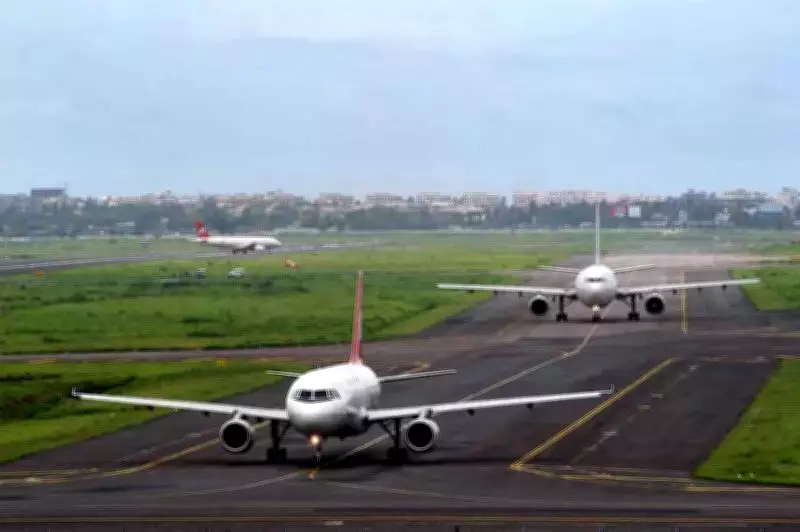
In a significant disruption to air travel, Mumbai airport cancelled a total of fifty-seven flights as of 5:45 PM on Saturday, March 1, 2026. This includes twenty-four arrivals and thirty-three departures, as escalating tensions in parts of the Middle East and Gulf region forced major operational changes. The cancellations come amid reports of military actions, including missile strikes and explosions in areas like Abu Dhabi and Doha, heightening security concerns across the aviation sector.
Airline Responses and Suspensions
Among the affected flights was IndiGo's Mumbai–London service, flight 6E-1, which was cancelled. Later in the evening, Air India announced the cancellation of several long-haul international services scheduled for March 1, citing safety considerations. The impacted routes include flights between Delhi, Mumbai, and Amritsar to destinations such as London (Heathrow and Gatwick), New York (JFK), Newark, Chicago (via Vienna), Toronto (via Vienna), Frankfurt, and Paris. Air India stated it is actively notifying passengers and providing alternative travel options to mitigate inconvenience.
Akasa Air took a more extensive step, suspending all its flights to and from Abu Dhabi, Doha, Jeddah, Kuwait, and Riyadh until March 2, 2026. For bookings made to or from these cities until March 7, passengers are offered a full refund or the option to reschedule at no additional cost. Similarly, Air India Express extended the suspension of its westbound international flights until 23:59 hours on March 1, 2026, as confirmed by a spokesperson.
Operational Challenges and Airspace Closures
At 9 PM on Saturday, Mumbai airport issued a critical notice to airlines and pilots, informing them that parking space was unavailable for diverted aircraft. Consequently, no diversions would be accepted until 8 AM on Sunday, exacerbating the logistical challenges. This decision reflects the broader impact of airspace closures in the Middle East and Persian Gulf regions, which have been deemed high-risk areas due to the ongoing conflicts.
The Directorate General of Civil Aviation (DGCA) issued an urgent advisory, warning of "a significant escalation in security risks" in these airspaces. It advised Indian operators to avoid the affected areas at all flight levels, emphasizing the need for precautionary measures to ensure passenger and crew safety.
Surge in Airfares and Passenger Impact
As a direct result of the airspace closures and flight cancellations, airfares for travel on March 1 to London and several Middle East destinations experienced a sharp surge. On Saturday afternoon, a one-way direct fare to London touched an alarming Rs 1.40 lakh, highlighting the immediate economic repercussions for travelers. This price spike underscores the volatility in the aviation market during times of geopolitical instability, with passengers facing both disruptions and increased costs.
The situation has left many travelers stranded or seeking alternative arrangements, as airlines scramble to adjust their schedules. The cumulative effect of these events points to a broader trend of aviation disruptions linked to regional conflicts, with safety and operational viability taking precedence over regular service.