Madhya Pradesh High Court Clarifies Deity as Sole Owner in Temple Property Dispute
In a landmark ruling, the Madhya Pradesh High Court has affirmed that deities, not priests, hold legal ownership over temple properties. This decision came in a tenant-landlord dispute involving a shop within the premises of Bal Hanuman Ji Ka Mandir in Datia, Madhya Pradesh.
Court Orders Eviction Based on Rent Arrears
Justice G S Ahluwalia, presiding over the case, ordered the eviction of tenants from the shop due to non-payment of rent. The court emphasized that the deity alone is the legal owner of the temple property, even if a priest or their family has been associated with the temple for generations.
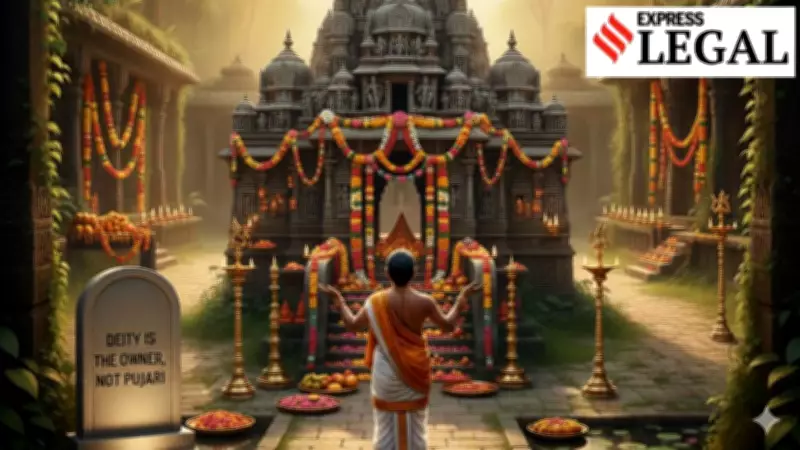
"It is held that since plaintiffs have claimed themselves to be Pujari, therefore, they would not acquire any right or title in the property and only deity shall be owner of the property," the court stated in its February 3 judgment.

Legal Framework and Findings
The court based its decision on Sections 12(1)(a) and 13 of the Madhya Pradesh Accommodation Control Act, 1961. These sections govern tenant eviction for rent arrears and provide protections against such actions. The court found that the defendant was in arrears of rent, making eviction permissible under the law.
However, the court clarified that while the plaintiffs, as legal heirs of the late priest Chhote Lal Vyas, could maintain the eviction suit as landlords, they do not own the property. The court noted that Vyas had inducted the tenant and received rent, establishing a landlord-tenant relationship.
Examination of Precedents and Roles
The judgment involved an extensive review of Supreme Court rulings, including the Ram Janmabhoomi case and other decisions on temple management. The court distinguished between a pujari (priest) and a shebait (custodian), noting that a priest is merely a servant appointed by the shebait and does not gain proprietary rights from performing worship.
A shebait acts as the human custodian and manager of a deity's property, with responsibilities for daily worship and temple preservation, often holding a hereditary interest in the office.
Background of the Case
The dispute centered on a shop let out in 1980 at a monthly rent of Rs 40. The tenant last paid rent in 1982, leading to a notice of termination in 1997 and subsequent legal action. Both the trial court and appellate court had dismissed the eviction suit, citing lack of ownership by the plaintiffs, but the High Court overturned these rulings.
Safeguarding Religious Character
In its decision, the High Court directed that vacant possession of the shop be handed over to the deity through the plaintiffs. It stressed that any income from the property must be devoted to the deity, and the plaintiffs cannot deal with it as owners.
This ruling reinforces the principle that temple properties are held in trust for deities, ensuring their religious and legal integrity is preserved.