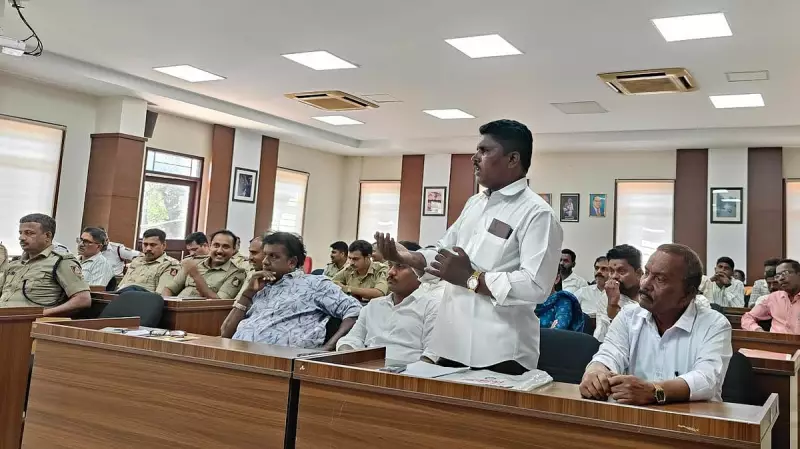
In a significant development concerning workplace rights and justice mechanisms, the Deputy Commissioner of Police (DCP) of Mangaluru has issued a clear directive to SC/ST community leaders. The official emphasized the critical importance of reporting incidents of workplace harassment directly to the Internal Complaints Committee (ICC) rather than opting for informal settlements that may compromise legal recourse and victim support.
Formal Reporting Over Informal Settlements
The DCP's advice underscores a proactive approach to addressing harassment in professional environments, particularly for marginalized communities. By urging leaders to utilize the ICC framework, the police aim to ensure that complaints are handled through established legal channels, which can provide better protection for victims and more systematic investigations. This move is seen as a step towards strengthening institutional responses to discrimination and abuse at work.
Challenges in Police Infrastructure
During the discussions, Dalit leaders brought attention to operational hurdles within the local law enforcement system. They pointed out a significant shortage of staff at the DCRE (Deputy Commissioner of Revenue Enforcement) police station, which has been adversely affecting the efficiency of investigations and the timely filing of charge sheets in harassment cases.
The leaders expressed concerns that these staffing gaps are causing delays in justice delivery, potentially undermining the effectiveness of the ICC process and other legal avenues. They called upon the authorities to take immediate action to bolster the unit with adequate personnel and resources, ensuring that it can function optimally to support victims and uphold the law.
Broader Implications for Workplace Safety
This dialogue highlights the interconnected nature of formal reporting mechanisms and the infrastructure needed to support them. The DCP's recommendation to avoid informal settlements aligns with broader efforts to combat workplace harassment, especially under laws like the Sexual Harassment of Women at Workplace (Prevention, Prohibition and Redressal) Act, 2013, and protections for SC/ST communities under the Scheduled Castes and Scheduled Tribes (Prevention of Atrocities) Act.
By addressing both the procedural aspect through ICC and the operational challenges in police stations, stakeholders aim to create a more robust ecosystem for handling harassment complaints. This could lead to increased trust in institutional processes and better outcomes for affected individuals.
The ongoing engagement between police officials and community leaders in Mangaluru reflects a collaborative effort to enhance workplace safety and justice. As these discussions progress, it is hoped that tangible improvements will be made to both reporting mechanisms and investigative capacities, fostering a safer and more equitable environment for all employees.