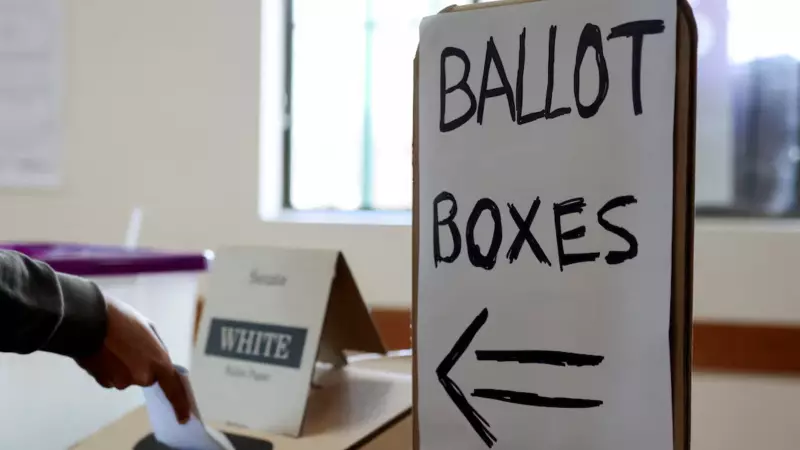
The year 2026 is poised to be a monumental one for global democracy, with a series of high-stakes national elections scheduled across major world powers. From the world's largest democracy, India, to economic and political heavyweights like the United States, France, and Brazil, voters will head to the polls in what could redefine international relations and domestic policies for years to come.
A Global Democratic Showcase
The electoral calendar for 2026 is densely packed. The most significant event will undoubtedly be the general elections in India for the 18th Lok Sabha. While an exact date is yet to be announced, the polls are constitutionally mandated by May 2026. This election will be a critical test for the ruling Bharatiya Janata Party (BJP) and the opposition's united front, the INDIA bloc, shaping the nation's trajectory for the next half-decade.
Across the Atlantic, the United States will hold its midterm elections in November 2026. All 435 seats in the House of Representatives and 33 of the 100 Senate seats will be contested. These elections will serve as a crucial referendum on the sitting president's administration halfway through their term and will significantly impact the legislative agenda in Washington.
In Europe, France will conduct its presidential election in the first half of 2026. The political landscape remains dynamic following recent parliamentary elections, making this a highly unpredictable and closely watched race that will influence the European Union's direction.
Key Elections in Latin America and Beyond
Latin America will also see major political activity. Brazil is scheduled to hold its presidential election in October 2026. This will be a pivotal moment following the presidency of Luiz Inácio Lula da Silva, with the potential for another intense political contest in the region's largest economy.
Other notable elections include the presidential race in Venezuela, tentatively set for 2026, though its conduct and fairness remain subjects of international scrutiny. Additionally, Colombia will elect a new president in the first half of the year, and the Czech Republic will hold both presidential and parliamentary elections, adding to the year's political dynamism.
Implications for Global Geopolitics and Economy
The collective outcome of these 2026 elections will have profound consequences. The results in India and the United States will directly affect global economic policies, climate change initiatives, and strategic alliances. A change in leadership or a strengthened mandate in these nations can lead to significant shifts in trade, defense, and diplomatic engagements worldwide.
Similarly, the elections in France and Brazil will determine the political and economic stability of their respective regions. The French election could alter the balance of power within the EU, while Brazil's vote will impact environmental policies in the Amazon and South American trade dynamics. The Venezuelan election, if deemed credible, could either ease or exacerbate regional tensions.
In essence, 2026 is not just a year of isolated national polls but a concurrent global event that will collectively chart the course for international cooperation, economic stability, and geopolitical alignments in the latter half of the decade. The decisions made by voters from New Delhi to Washington, Paris to Brasília, will resonate across continents, making it one of the most consequential electoral years in recent memory.