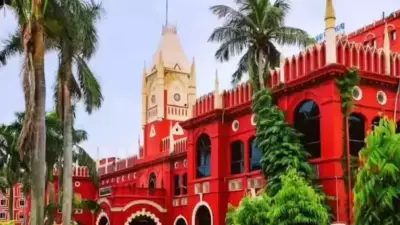
The Madras High Court has delivered a significant ruling by quashing a Government Order (GO) that permitted the construction of commercial facilities using surplus temple funds at the Kallazhagar temple in Madurai district. The court emphasized that any development activities must align with the sacred ethos of a temple, marking a pivotal moment in the protection of religious endowments.
Court's Stance on Temple Development
While hearing a batch of petitions challenging the GO dated March 8, 2024, a division bench comprising Justice Anita Sumanth and Justice C Kumarappan observed that the Hindu Religious and Charitable Endowments (HR and CE) department's primary role is to preserve and maintain temples, not to treat them as commercial projects. The judges noted that concepts like development and upgradation are alien to the fundamental purpose of a temple, which should remain a place of worship and spiritual solace.
Financial Irregularities Uncovered
The court scrutinized the financial aspects of the case, revealing alarming discrepancies. Audited accounts showed that the accumulated surpluses of the temple had drastically reduced from 96.6 crore rupees as of March 31, 2021 and 2022, and 107.60 crore rupees as of March 31, 2023, to just 62.37 crore rupees by March 31, 2024. The judges condemned this reduction as expenditure incurred without proper budgeting or legal sanction, describing it as "a crime against the deity and a clear illustration of the fence eating the crops."

Procedural Lapses and Legal Violations
The bench highlighted that the detailed procedure under Section 86 of the relevant Act for budget approval was not followed in this case. This procedure mandates exchanges of views, clarifications, and modifications before granting approval, ensuring transparency and accountability. The court found that the HR and CE commissioner had been vested with ultimate authority over the budget without adhering to these safeguards, leading to unauthorized expenditures.
Directions for Temple Management
In addition to quashing the GO, the court issued a series of directives to rectify the management of the Kallazhagar temple. The judges noted that the tenure of the last board of trustees expired in October 2025, yet no steps had been taken under Section 46 of the Act to constitute a new board. They ordered immediate measures to form a new board of trustees and make necessary amendments to align the temple's management with the Act and Rules.
Balancing Development and Ethos
The court clarified that its ruling does not intend to freeze the temple premises in time, denying necessary infrastructure for the safety and comfort of devotees and visitors. However, it stressed that any development must respect the temple's ethos. This includes preserving cultural heritage, such as the famous mural paintings in the Vasantha Mandapam, while ensuring that commercial activities like restaurants, shopping complexes, and VIP cottages do not encroach on the spiritual environment.
This landmark judgment underscores the judiciary's role in safeguarding religious institutions from commercial exploitation and financial mismanagement, setting a precedent for similar cases across Tamil Nadu and beyond.