The Madras High Court has delivered a sharp rebuke to the Tamil Nadu police, questioning their decision to grant bail to controversial YouTuber Savukku Shankar. The court framed this action as a potential breach of constitutional duty, raising serious concerns about the application of the law.
Court's Stern Observations on Police Conduct
Justice G. Jayachandran, presiding over the case, made pointed remarks during the hearing on Thursday, December 26, 2024. The judge expressed strong disapproval of the police's move to release Shankar on bail shortly after his arrest. The court highlighted that such a quick reversal undermined the very purpose of the arrest and suggested a failure in the police's duty to uphold the law.
The judge emphasized that the police's primary role is to investigate crimes and present evidence before the judiciary. By opting to grant bail administratively, the police were seen as overstepping their bounds and encroaching upon the domain of the courts. This, the court noted, could set a dangerous precedent.

The Case Against Savukku Shankar
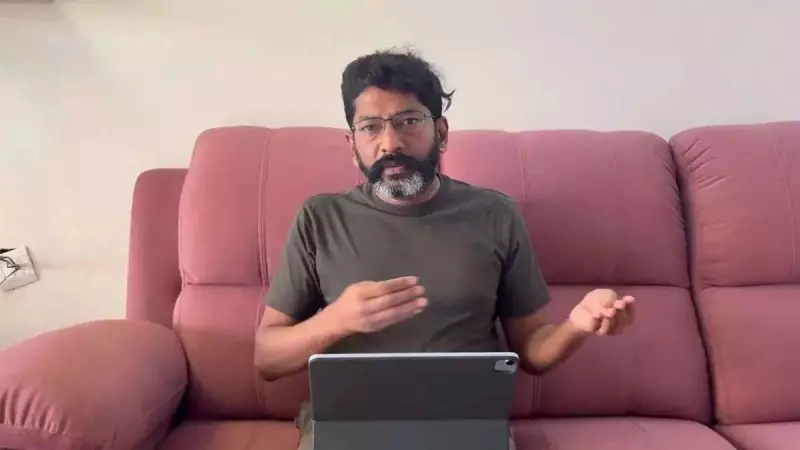
Savukku Shankar was arrested by the Tamil Nadu police on serious charges. The allegations against him include making derogatory and inflammatory remarks against women police officers. His arrest followed multiple complaints and a growing public outcry over the content of his online videos and statements.
However, the situation took a controversial turn when the police themselves decided to release him on bail shortly after taking him into custody. This rapid sequence of events—arrest followed swiftly by bail—became the central issue before the High Court.
Legal and Constitutional Implications
The core of the court's criticism rests on constitutional principles. Justice Jayachandran pointed out that the police's action appeared to contradict their sworn duty. The court questioned whether granting bail in such a manner was a dereliction of the constitutional mandate bestowed upon law enforcement agencies.
The bench raised a fundamental query: if the police believed the accused deserved bail so quickly, what was the justification for arresting him in the first place? This line of questioning underscores the legal principle that arrest must be based on necessity, not convenience or external pressure.
The court has now directed the state's Director General of Police (DGP) to file a detailed response. This report must explain the rationale behind both the arrest and the subsequent decision to grant bail. The matter has been scheduled for further hearing in the second week of January 2025.
Broader Repercussions and Next Steps
This case has ignited a significant debate about police powers, judicial authority, and freedom of speech in the digital age. The High Court's intervention signals a judicial check on perceived executive overreach. The outcome could influence how law enforcement agencies across the state handle similar cases involving media personalities and online content creators.
All eyes are now on the Tamil Nadu police's explanation. Their response to the court will determine whether this incident was an isolated procedural lapse or indicative of a larger issue in the application of criminal procedure. The court's final ruling is awaited, which will provide crucial clarity on the boundaries of police discretion in granting bail.