The Madurai Bench of the Madras High Court has granted conditional permission for residents of a village in Tamil Nadu's Karur district to organise New Year celebrations, explicitly barring any obscene performances. The court's order came on a petition seeking police permission for the event scheduled for January 1, 2026.
Court's Conditional Approval for Festivities
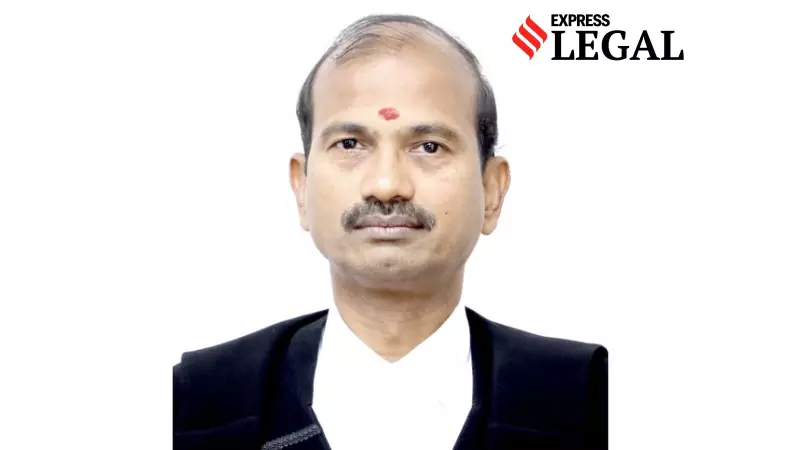
Justice M Jothiraman directed the police authorities, including the District Police Superintendent, to consider the petitioner's representation and pass an appropriate order on or before December 31, 2025. The judge laid down two crucial conditions for the grant of permission. The petitioner must ensure no law and order problem is created during the cultural programme, and critically, that no obscene acts are permitted.
The event, planned at EB Colony in Pasupathipalayam, involves sporting events and an "Aadalum Paadalum" cultural programme. The court stipulated that the festivities should be held between 7 am and 9.30 pm on January 1, 2026. It also stated that if necessary, the respondent police should provide adequate protection for the smooth conduct of the event.

Petitioner's Plea and Police Submission
The petitioner, Shanmugapandiyan, a resident of Gandhi Gramam North, Pasupathipalayam in Karur district, had approached the High Court after his representation to the police on December 20 remained unaddressed. His counsel, Advocate R Alagumani, argued that the authorities had not considered the application.
During the proceedings, the petitioner agreed to give an undertaking that the event would be conducted peacefully and that no obscene acts would be allowed. Additional Public Prosecutor T Senthil Kumar, representing the police, submitted that the petitioner's representation was under consideration. He clarified that the respondents had no objection to the event, provided the petitioner gave an undertaking to ensure it caused no law and order issues.
Context of Judicial Scrutiny on Cultural Performances
This court order comes against the backdrop of heightened judicial scrutiny of performances at public festivals in Tamil Nadu. Temple festivals, which begin from the first month of the Tamil year, Chithirai, often feature various artistic performances, with dance and song being particularly popular.
However, last year, the Supreme Court strongly condemned instances of "obscene dance" during such shows. The apex court had also mandated that such events should be held only after obtaining permission from the local police station, a directive that has made police clearance crucial for organisers. The Madras High Court's specific condition regarding obscene acts directly aligns with this broader judicial stance aimed at regulating cultural content in public gatherings.
The court's balanced approach ensures that community celebrations for the New Year can proceed, while upholding legal and moral standards as interpreted by the judiciary. The order places the responsibility squarely on the event organisers to comply with the stipulated conditions.