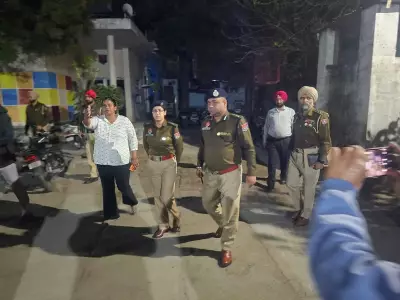
Power Department Employee Apprehended in Lucknow Over Wife's Suicide Case
In a significant development, the Banthra police in Lucknow successfully arrested a power department employee on Saturday, who stands accused of abetting his wife's suicide last year. The accused, identified as Ajit, aged 32, had been evading authorities for the past five months before being captured from his residence on March 7.
Details of the Alleged Crime and Police Action
According to official police reports, Ajit is alleged to have subjected his wife, Ishika Gautam, to persistent harassment over dowry demands. This relentless cruelty reportedly culminated in a tragic incident on September 15, 2025, when Ishika took her own life by hanging at their home. The case came to light after her brother, Santosh Kumar, filed a formal complaint at the Banthra police station on November 25, implicating Ajit and ten other individuals in acts of cruelty.
An FIR was promptly registered under several sections of the Bharatiya Nyaya Sanhita (BNS), reflecting the severity of the allegations. The charges include Section 85 for cruelty by husband or relatives, Section 115(2) for abetment of suicide, Section 352 for assault, Section 351(3) for criminal intimidation, and Section 108 for abetment, among others. This legal framework underscores the comprehensive nature of the investigation into the alleged dowry-related abuse.
Background and Implications of the Arrest
The arrest marks a crucial breakthrough in a case that has drawn attention to issues of domestic violence and dowry harassment in the region. Ajit's prolonged evasion of law enforcement had complicated the proceedings, but his eventual capture from his own home highlights the persistent efforts of the Banthra police to bring him to justice. The involvement of multiple accused persons in the FIR suggests a broader pattern of alleged misconduct, which authorities are now diligently probing.
This incident serves as a stark reminder of the ongoing challenges in combating dowry-related crimes, despite legal provisions aimed at protecting victims. The use of BNS sections in the FIR indicates a modern legal approach to addressing such offenses, potentially setting a precedent for future cases. As the investigation continues, further details are expected to emerge regarding the roles of the other accused and the specific circumstances leading to the tragic suicide.