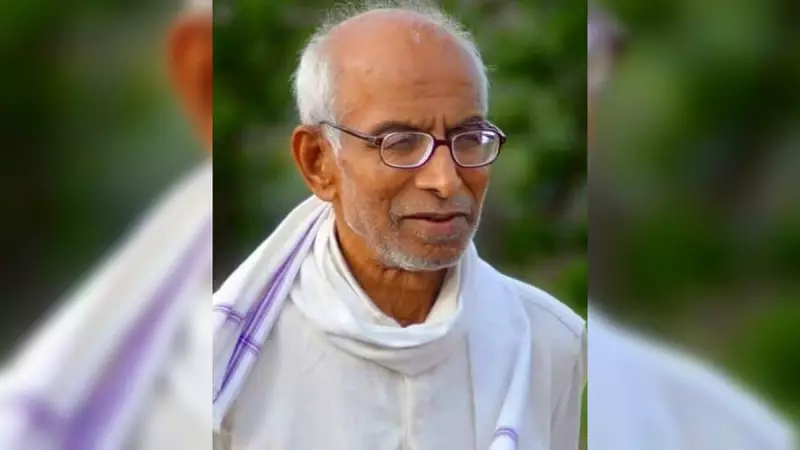
A Seer's Will of Legacy: Navigating the Intersection of Faith and Law
A recent legal case surrounding the will of a revered spiritual seer has brought to light the complex interplay between religious authority, personal legacy, and property rights in India. This dispute, which has captured public attention, delves into the intricate details of how a saint's estate is managed and distributed after their passing, raising profound questions about succession and spiritual inheritance.
The Core of the Legal Dispute
At the heart of this controversy is the will left behind by the seer, which outlines the distribution of assets, including property, donations, and other holdings accumulated over a lifetime of spiritual service. The case has escalated to the courts, where various claimants, including disciples, family members, and religious institutions, are contesting the validity and interpretation of the document. Legal experts argue that such disputes often hinge on issues of testamentary capacity, undue influence, and the alignment of the will with the seer's expressed spiritual intentions.
Implications for Religious and Property Law
This case underscores broader implications for how India handles the estates of spiritual leaders, who often amass significant followings and resources. It touches on key aspects of property law, such as the rights of heirs versus the wishes of the deceased, as well as religious considerations, including the role of trusts and charitable endowments. The outcome could set a precedent for future cases involving similar figures, potentially influencing legal frameworks around inheritance in religious contexts.
Key Points of Contention:- The authenticity and execution of the seer's will.
- Disputes over the distribution of assets among multiple claimants.
- The balance between spiritual directives and legal requirements.
- Potential impacts on the seer's religious legacy and community.
Public and Spiritual Reactions
Beyond the courtroom, the dispute has sparked widespread debate among devotees and the general public. Many view it as a test of faith, questioning whether material possessions should overshadow the spiritual teachings left behind. Others see it as a necessary legal process to ensure transparency and fairness in handling such estates. This case highlights the emotional and cultural dimensions of inheritance disputes, especially when they involve revered figures in society.
In conclusion, the seer's will of legacy serves as a poignant reminder of the challenges at the nexus of law and spirituality. As the case progresses, it will likely continue to provoke discussions on how best to honor the wishes of spiritual leaders while adhering to legal norms, ensuring that their legacies endure in both material and immaterial forms.