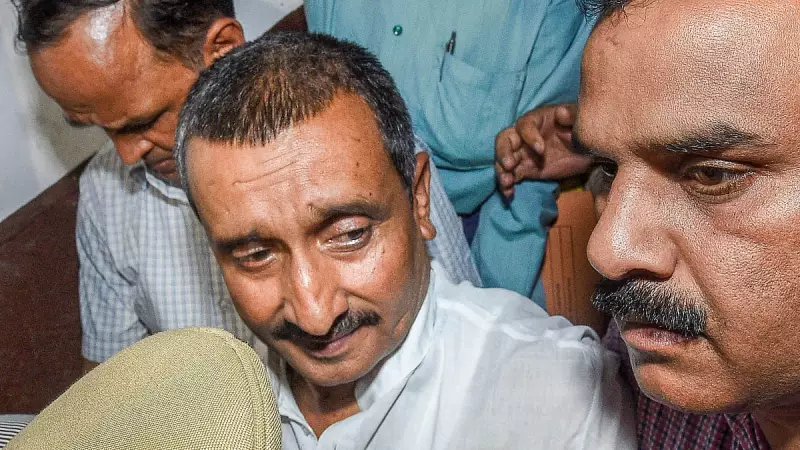
The High Court's recent decision to grant bail to former BJP MLA Kuldeep Sengar in the harrowing Unnao rape case has ignited a fierce debate on the intricacies of legal procedure versus substantive justice. The ruling, delivered on 26 December 2025, hinges on a technical exception, leading many to question whether the letter of the law has overshadowed its spirit in this high-profile matter.
The Technical Grounds of the Bail Order
While the detailed judgment is awaited, reports indicate that the court's bail grant to Kuldeep Sengar was predicated on specific technical grounds related to legal procedure. This move creates a notable exception in a case that had captured the nation's conscience due to its brutality and the subsequent persecution of the victim's family. The ruling underscores a critical tension within the judicial system: the strict application of legal statutes against the broader demands of justice in particularly heinous crimes.
Context: The Unnao Rape Case
The case dates back to 2017, when a minor girl from Unnao in Uttar Pradesh accused the then-powerful MLA, Kuldeep Sengar, of rape. The incident spiraled into a national scandal, not only because of the crime itself but due to the tragic events that followed. The victim's father died in custody under suspicious circumstances, and the victim herself, along with her lawyer, was severely injured in a suspicious car accident. Sengar was convicted and sentenced to life imprisonment by a Delhi court in December 2019 for rape and murder under the POCSO Act. The current bail plea pertains to other connected legal proceedings.

Legal Interpretation and Its Limits
The High Court's decision brings to the forefront the limits of legal interpretation. Judicial rulings often navigate the fine line between procedural technicalities and the overarching principles of equity and justice. In this instance, the exception made for Sengar on a technicality is seen by legal experts and activists as a moment where the "laws are lost in text." It raises a pivotal question: can a narrow reading of legal provisions sometimes lead to outcomes that seem detached from the gravity of the offense and the cause of justice?
This development is likely to have significant consequences. It may influence legal strategies in other sensitive cases and could impact public perception of the judiciary's role in delivering justice to the powerful versus the powerless. The ruling is expected to be scrutinized and potentially challenged in the Supreme Court, setting the stage for a crucial legal battle on the interpretation of bail conditions in cases involving severe crimes and influential accused.
Ultimately, the bail for Kuldeep Sengar is more than a legal update; it is a stark reminder of the complex, and often contentious, journey towards justice within the Indian legal framework. It emphasizes the need for a continuous dialogue on ensuring that legal processes remain robust, transparent, and, above all, just.