Iranian Leader Khamenei Accuses Trump of Direct Role in Unrest
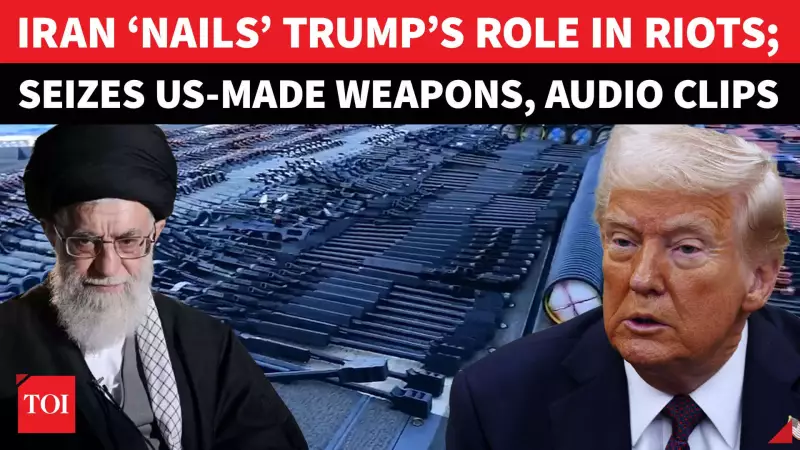
Iran's Supreme Leader Ayatollah Ali Khamenei has publicly accused former US President Donald Trump of orchestrating recent protest violence in the country. The Iranian government claims to have uncovered substantial evidence linking American and Israeli intelligence agencies to militant activities during ongoing demonstrations.
Security Forces Seize Weapons Caches Across Multiple Provinces
According to official statements from Iran's intelligence agency, security forces conducted coordinated raids on residential properties in several provinces. During these operations, authorities reportedly discovered significant quantities of US-made firearms, ammunition, and explosive materials. The seized items included more than 200 kilograms of explosives, improvised explosive device components, and sophisticated surveillance equipment.
Intelligence officials stated these weapons were hidden in homes connected to alleged militant cells operating within Iran. The discovery comes amid widespread protests that have gripped the nation for weeks, with demonstrators expressing various grievances against the government.

Audio Evidence and Mossad Connections Alleged
Beyond the physical weapons, Iranian authorities claim to have obtained audio recordings that allegedly reveal coordination between protest organizers and foreign intelligence services. While specific details about these recordings remain undisclosed, officials insist they provide clear evidence of external interference in Iran's internal affairs.
The intelligence report specifically mentions suspected links to Mossad, Israel's national intelligence agency. This allegation forms part of a broader narrative from Tehran that portrays the protest movement as being manipulated by hostile foreign powers rather than representing genuine domestic discontent.
Escalating Tensions Between Iran and the United States
These latest accusations come during a period of heightened tension between Iran and the United States. The Trump administration had previously taken a hardline approach toward Iran, implementing severe economic sanctions and withdrawing from the nuclear agreement negotiated by the Obama administration.
Iranian officials have repeatedly blamed the United States for attempting to destabilize their country through various means. The current allegations represent some of the most specific claims yet about direct American involvement in supporting militant activities within Iran's borders.
International Reactions and Regional ImplicationsThe Iranian government's claims have drawn attention from international observers monitoring the situation. While Western governments have generally expressed concern about human rights issues during the protests, they have not commented specifically on the weapons seizure allegations.
Regional analysts note that these developments could further complicate already strained relations between Iran and its neighbors. The involvement of multiple intelligence agencies, if proven, would represent a significant escalation in covert operations within the region.
Security Measures and Domestic ResponseIn response to these discoveries, Iranian authorities have announced enhanced security measures across the country. Checkpoints have been increased in major cities, and surveillance of suspected foreign agents has reportedly intensified. The government has called for national unity against what it describes as "foreign plots" to undermine Iran's sovereignty.
Meanwhile, protest organizers continue to deny any connections to foreign intelligence services, maintaining that their movement represents legitimate domestic opposition to government policies. The conflicting narratives highlight the deep divisions within Iranian society and the complex geopolitical forces at play in the current crisis.