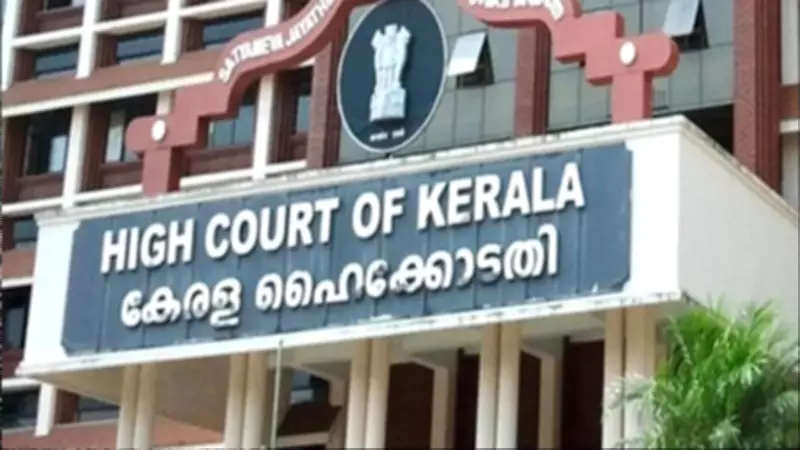
Kerala High Court Imposes 15-Day Stay on Controversial Film Release
The Kerala High Court has delivered a significant judicial intervention in the entertainment industry by issuing an interim stay on the release of the film 'The Kerala Story 2: Goes Beyond' for a period of fifteen days. This decisive action came just one day before the movie was scheduled to hit theaters on February 27, creating immediate ripples across legal and cinematic circles.
Court Questions Censor Board's Certification Process
In its detailed observations, the court expressed serious concerns about the certification process, noting that prima facie there appeared to be non-application of mind by the Central Board of Film Certification (CBFC) while granting the necessary clearance for public exhibition. The bench, presided over by Justice Bechu Kurian Thomas, made these remarks while hearing multiple petitions that challenged the validity of the censor certificate and sought an immediate suspension of the film's release.
Petitioners and Legal Proceedings
The legal challenge was initiated through pleas filed by Sreedev Namboothiri of Kannur and other concerned individuals, who raised substantive objections to the film's content and its potential societal impact. During proceedings held on Tuesday, the court engaged in extensive deliberations, ultimately concluding that the apprehensions voiced by various sections of Kerala's population could not be dismissed lightly.
The court specifically highlighted that the filmmakers' claims of the narrative being based on true events, coupled with the deliberate use of 'Kerala' in the title, created additional responsibilities for regulatory authorities. "Kerala lives in total harmony among various religions," the court stated emphatically. "But portraying it in such a manner as though this is what is happening all over Kerala gives a wrong indication and may also incite passions, which is where the censor board comes into play."
Broader Implications for Film Certification
This interim order represents more than just a temporary halt to a single film's release—it underscores the judiciary's growing scrutiny of the CBFC's certification mechanisms. The court's emphasis on the censor board's role in preventing content that might disturb social harmony or present misleading representations of communities sets a notable precedent for future film certifications across India.
The fifteen-day stay provides a crucial window for further judicial review and potentially allows for additional submissions from both the petitioners and the filmmakers. This period will likely involve detailed examinations of the film's content against the guidelines established under the Cinematograph Act and relevant constitutional provisions protecting communal harmony.
As the legal battle continues, industry observers are watching closely to see how this case might influence the balance between artistic expression and social responsibility in Indian cinema. The outcome could have lasting implications for how controversial subjects are handled in filmmaking and what standards the censor board must apply when evaluating potentially divisive content.