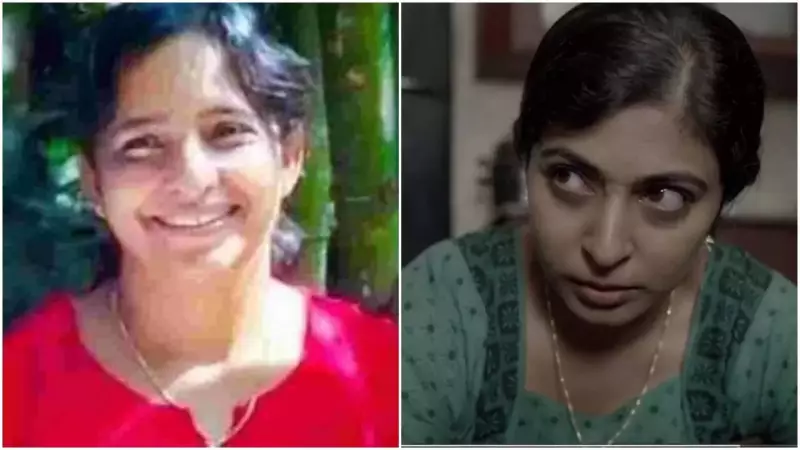
The Kerala High Court has delivered a significant ruling, dismissing a petition filed by Jolly Joseph, the prime accused in the infamous Koodathayi cyanide murder case. The accused had sought a ban on the upcoming Malayalam web series 'Anali', claiming it could prejudice her ongoing trial.
Court Finds No Grounds for a Stay
Justice V. G. Arun presided over the case and refused to grant an interim stay on the series' release. The judge noted that the petitioner's claims, primarily based on similarities observed in the teaser trailer, lacked concrete evidence. The court found nothing substantial to establish that the show would indeed damage Jolly Joseph's right to a fair trial, which was the core argument of her plea.
The petition had specifically requested the court to halt the release of 'Anali' until the completion of the criminal trial against her. Jolly Joseph, also known as Jollyamma Joseph, argued that the series bore strong resemblances to the real-life case and its broadcast could influence public perception and the judicial process.

The Notorious Koodathayi Case
For context, Jolly Joseph stands as the central figure in the shocking Koodathayi serial murder investigation. According to the prosecution, she allegedly used cyanide to poison and kill six individuals between 2002 and 2016. The victims included her first husband, Roy Thomas, with the purported motive being to gain control over family property and assets. The case sent shockwaves across Kerala and continues to be a subject of intense public interest.
'Anali': Fiction Inspired by Fact
The web series at the center of this legal controversy is 'Anali', directed by Midhun Manuel Thomas. The show recently unveiled its trailer, confirming widespread reports that it draws inspiration from the sensational Koodathayi murders. The series features actors Nikhil Vimal and Leona Lishoy in key roles and is scheduled to premiere on an OTT platform soon.
The court's decision clears the path for the series' release, reinforcing the principle that creative works inspired by real events can proceed as long as they do not demonstrably obstruct active judicial proceedings. This ruling is being closely watched as it touches upon the intersection of creative expression, media trials, and the rights of the accused.