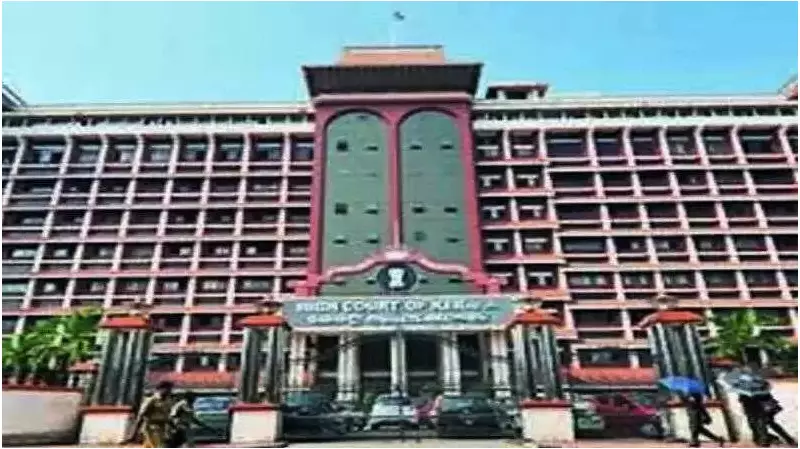
The Kerala High Court on Tuesday dismissed a petition seeking parole for a convict in the high-profile T P Chandrasekharan murder case. In a significant oral observation, the court expressed serious concern over the pattern of granting parole and emergency leave to the convicts in this case and called for a detailed investigation into the matter.
Court Questions "Special Treatment" for Convicts
The bench of Justice Jobin Sebastian, while hearing the plea, pointedly questioned what was so special about the convicts in this particular case to warrant such frequent parole and emergency leave. The court's remarks came during the hearing of a petition filed by P G Smitha, the wife of convict Jyothi Babu.
Smitha had sought 10 days of parole for her husband to perform essential customary rites following the death of his cousin, Chathukutty, who passed away on Sunday. She argued in her petition that her husband was the only elder male member available in the family to conduct the last rites, making his presence indispensable.

Petition Dismissed on Legal Grounds
However, the court firmly rejected this argument. It noted that the deceased was not a direct relative of the convict as defined under the relevant statutes. The rules permit emergency leave or parole only to attend the funeral of first-degree relatives, such as parents, spouse, or children.
The bench also expressed displeasure over the petitioner's failure to disclose crucial details regarding her husband's conviction. Jyothi Babu was initially acquitted by a sessions court, but a division bench of the High Court later overturned this verdict. In February 2024, the High Court convicted Babu and another accused, K K Krishnan, sentencing both to life imprisonment.
Court Flags Influence and Orders Broader Probe
Prior to approaching the High Court, the petitioner had submitted representations to the Director General of Prisons and the Superintendent of Kannur Central Jail. When no action was taken, she moved the court, also seeking a direction to the jail superintendent to consider her plea.
The court, however, made a telling oral observation. It stated that if it were to direct the jail superintendent to consider the representation, the petition would likely be approved because the convict was "highly influential." This remark underscored the court's apprehension about potential undue favours.
Ultimately, the bench dismissed the petition, reiterating that the deceased cousin did not qualify as a close relative under the law. More importantly, the court's directive for a detailed investigation into the past granting of parole and emergency leave to the convicts in the T P Chandrasekharan case marks a significant development, suggesting a scrutiny of the procedures followed by prison authorities.