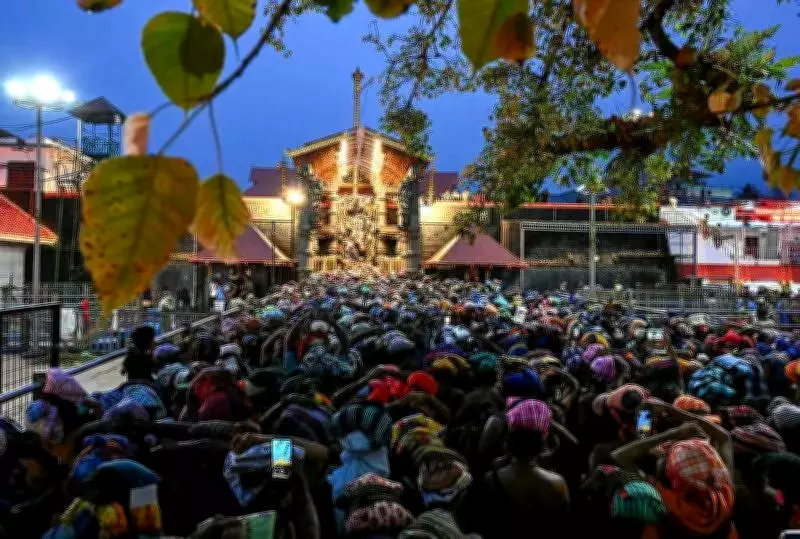
Kerala High Court Directs Vigilance Probe into Sabarimala Padi Pooja Booking Irregularities
In a significant development concerning the administration of one of India's most revered pilgrimage sites, the Kerala High Court has issued a directive to investigate alleged malpractices in the booking system for the sacred Padi Pooja ritual at the Sabarimala temple. The court's intervention follows a troubling report that has raised serious questions about the integrity of the booking process for this spiritually significant ceremony.
Court Orders Seizure of Booking Records
A bench comprising Justices V Raja Vijayaraghavan and K V Jayakumar has directed the chief vigilance and security officer of the Travancore Devaswom Board (TDB) to take immediate possession of all registers and connected records pertaining to Padi Pooja bookings. The court has mandated that these documents be placed before it in a sealed cover on March 4, 2024, ensuring that the evidence remains uncontaminated during the investigation.
The order comes in response to a detailed report submitted by the Sabarimala special commissioner, which highlighted concerning irregularities in how devotees secure bookings for this important ritual. Padi Pooja, which involves the worship of the 18 holy steps at Sannidhanam, represents one of the most sacred ceremonies performed at the Sabarimala temple, symbolizing the sanctity of the pilgrimage path.
Allegations of Fraudulent Bookings and Unauthorized Transfers
According to the special commissioner's findings, a recent vigilance inquiry uncovered disturbing practices where certain individuals secured Padi Pooja bookings by providing false or fictitious addresses. Even more troubling is the allegation that these bookings were subsequently transferred to third parties for higher consideration, essentially commercializing what should be a purely spiritual undertaking.
The investigation revealed that when the vigilance officer insisted on proper identity verification, two individuals who had made bookings failed to appear to solemnize the Padi Pooja, further raising suspicions about the legitimacy of their reservations. This pattern suggests systematic abuse of the booking system that potentially deprives genuine devotees of the opportunity to perform this important ritual.
Extraordinary Booking Timeline and Transparency Concerns
The executive officer of the temple has confirmed that bookings for Padi Pooja have already been secured up to the year 2045, with only five such poojas performed each month. This extraordinary booking timeline spanning more than two decades has raised questions about how such long-term reservations were managed and whether proper verification procedures were followed.
In light of these concerns, the amicus curiae has submitted a prayer seeking several important directions:
- A mandate for the executive officer to publish, at least one year in advance, the names and details of devotees who have booked Padi Poojas
- Implementation of transparency measures to enable public scrutiny of the booking process
- A directive to the chief vigilance and security officer to ensure that only genuine devotees who have lawfully secured bookings are permitted to perform the ritual
- Strict prohibition against any unauthorized transfer or substitution of bookings
Court's Strong Observations on Ritual Sanctity
The Kerala High Court bench made strong observations regarding the allegations, noting that if proven true, such conduct would be "abhorrent and deserves to be deprecated." The justices emphasized that the issue extends beyond mere administrative concerns, touching upon the fundamental sanctity of temple rituals and the credibility of the entire booking process.
The court further noted that the executive officer has already been directed to appear before it on March 4 in connection with another case, suggesting a pattern of administrative issues requiring judicial oversight. Additionally, the bench has specifically directed the chief vigilance and security officer to produce comprehensive records relating to the Padi Pooja bookings, including detailed explanations of how bookings extending to 2045 were effected and managed.
This judicial intervention represents a crucial step toward ensuring transparency and accountability in the administration of one of Kerala's most important religious institutions, potentially setting important precedents for temple management practices across the state.