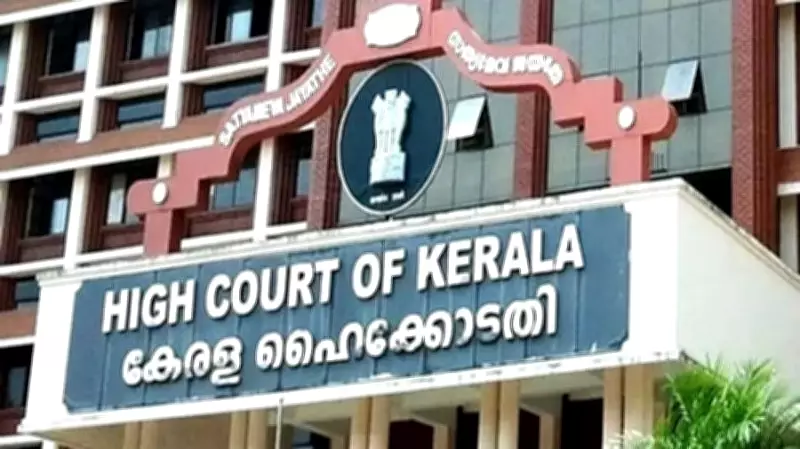
Kerala High Court Discharges Man Accused in Suicide Case Over 'Go Away and Die' Remark
In a significant legal ruling, the Kerala High Court has discharged a man who was accused of abetment to suicide under Section 306 of the Indian Penal Code (IPC). The case centered on a remark where the man allegedly told a woman to "go away and die", after which she died by suicide. The court's decision highlights the stringent legal standards required to prove abetment to suicide in India.
Court's Rationale and Legal Analysis
The Kerala High Court meticulously examined the evidence and circumstances surrounding the case. Justice Devna Ramachandran, presiding over the bench, emphasized that for a conviction under Section 306 of the IPC, there must be clear evidence of direct incitement or instigation to commit suicide. The court found that the remark "go away and die", while harsh and insensitive, did not meet this high threshold.
In its detailed judgment, the court noted that the woman's suicide occurred several days after the alleged remark, and there was no evidence to suggest a continuous course of conduct or harassment that could be construed as abetment. The ruling stated, "Mere verbal outbursts, without a proven intent to drive someone to suicide, cannot be grounds for abetment charges under the IPC." This decision underscores the importance of distinguishing between offensive language and criminal liability in suicide cases.

Implications for Legal Precedents and Public Awareness
This ruling is expected to set a precedent for similar cases across India, where abetment to suicide charges are often filed in emotional or contentious situations. Legal experts have welcomed the judgment, noting that it reinforces the need for careful scrutiny of evidence in such sensitive matters. Advocate Ravi Nair, a criminal lawyer based in Kochi, commented, "The High Court's decision is a reminder that the law requires concrete proof of instigation, not just hurtful words, to establish abetment to suicide."
From a broader perspective, the case also raises awareness about mental health and the impact of verbal abuse. While the court discharged the man legally, it acknowledged the tragic outcome and urged the public to exercise caution in their interactions. The judgment serves as a call for greater sensitivity and support systems to prevent such incidents in the future.
In conclusion, the Kerala High Court's discharge of the man in this suicide case clarifies the legal boundaries of abetment under Section 306 of the IPC. It highlights that while words can be harmful, they must be directly linked to the act of suicide to constitute a criminal offense, ensuring justice is served based on evidence rather than emotion.