

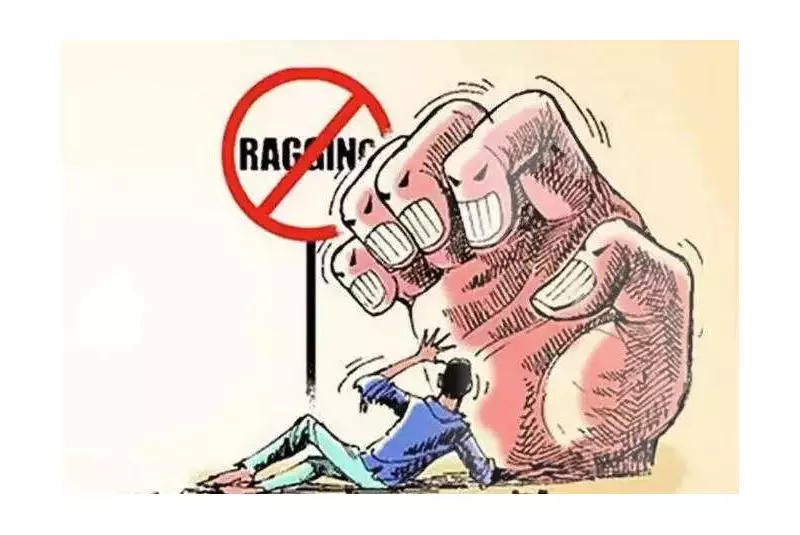
The Kerala government has taken a significant step towards strengthening its legal framework against ragging in educational institutions. The state informed the Kerala High Court that the Chief Minister has granted permission to place the draft Anti-Ragging Amendment Bill before the council of ministers for their consideration.
Court Directs Expedited Process on Ragging Legislation
This submission was made by the Director General of Prosecution, T A Shaji, based on a communication from the Additional Chief Secretary of the Home Department. It came in response to a public interest litigation (PIL) filed by the Kerala Legal Services Authority (KeLSA). The petition sought directions for the government to reassess the existing legislation and frame rules to ensure the effective eradication of ragging.
The bench of Chief Justice Nitin Jamdar and Justice C Jayachandran, hearing the plea, has adjourned the petition to March 2. The court orally directed the state to expedite the entire process and complete it at the earliest. This directive explicitly includes the framing of Rules under the Act.

The PIL was initiated following a severe ragging incident at the Government College of Nursing in Kottayam. In that case, junior students were allegedly subjected to extreme physical abuse, including being forced to tie dumbbells to their private parts.
HC Questions Financial Excuse for NDPS Courts
In a separate but related petition also filed by KeLSA, the court addressed the adequacy of special courts for cases under the Narcotic Drugs and Psychotropic Substances (NDPS) Act in the state. The Additional Chief Secretary of the Home Department filed an affidavit stating that, considering the state's financial position, establishing special NDPS courts in every district could not be considered at present.
However, the affidavit proposed a compromise: establishing special NDPS courts in Ernakulam and Thiruvananthapuram districts. This proposal was based on the high pendency of cases, with 1,295 cases in Ernakulam and 960 cases in Thiruvananthapuram, respectively.
The court firmly observed that financial constraints cannot be a valid ground for not establishing these crucial special courts. It then directed the state government to reconsider its stand on the matter.
Vacancies in Forensic Laboratories Addressed
A third issue concerning the state's criminal justice infrastructure was also raised. Regarding vacancies in Kerala's forensic laboratories, a memo filed by the Secretary of the Home Department provided an update. It stated that the State Police Chief had submitted a proposal for the creation of 31 new posts to strengthen forensic capabilities.
The proposed recruitment includes:
- Eight posts for Scientific Officer (Biology)
- Seven posts for Scientific Officer (Chemistry)
- Sixteen posts for Scientific Officer (Documents)
This move aims to address backlogs and improve the efficiency of forensic analysis, which is vital for timely justice in both ragging and NDPS cases.
The High Court's proactive stance, pushing the executive on multiple fronts—from anti-ragging laws to NDPS courts and forensic staffing—highlights a concerted judicial effort to streamline and strengthen Kerala's legal and institutional response to serious crimes.






