Karnataka High Court Demands Fresh Start for Stalled Bengaluru-Mysuru Corridor
The Karnataka High Court has delivered a sharp critique of the long-delayed Bengaluru-Mysuru Infrastructure Corridor project. In a recent order, the court described the project as existing "only on paper" and recommended scrapping it entirely. The bench urged the state government to initiate a completely new project instead.
A Project Mired in Delays and Legal Battles
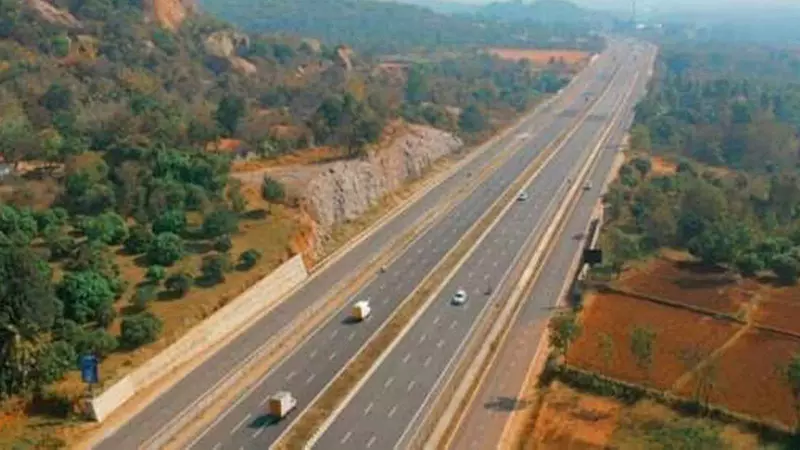
Originally conceived back in 1995 under Chief Minister H D Deve Gowda, the BMIC project promised significant infrastructure development. The plan included a four-lane expressway connecting Bengaluru and Mysuru, with potential expansion to six lanes. It also envisioned five satellite townships to manage Bengaluru's future growth.
However, nearly three decades later, the court noted that not a single township has been developed. The expressway remains largely unbuilt, with only about one kilometer constructed over 25 years. This stagnation has turned the project into what the court called "a classic example of non-commitment to public planning."

Extensive Litigation Clogs the Courts
The High Court highlighted how the project has generated overwhelming legal complications. Currently, over 2,000 cases related to the BMIC are pending in various courts. The bench lamented that instead of decongesting Bengaluru, the project has "clogged and congested the high court and other courts."
In the specific case before the court, a petitioner who owned 7.5 acres of land acquired for the project in 2003 had sought additional compensation. The bench dismissed this plea, noting the petitioner had already accepted the offered compensation amount.
Court's Strong Recommendations for Action
The division bench of Justices D K Singh and Venkatesh Naik made several pointed observations in their Friday order. They questioned the purpose of keeping the project alive given its minimal progress. The judges emphasized that starting fresh would benefit the city, citizens, environment, and future development.
Particularly concerning to the court was the management of acquired land. They noted that a "huge land bank" remains with project proponents who continue collecting tolls from peripheral roads and plazas, despite the main expressway not being constructed.
The bench concluded with a direct instruction to the state government: re-examine the entire project and take appropriate steps for a new initiative. They found no signs that the original BMIC project would be completed in the foreseeable future.
This judicial intervention underscores the challenges of large-scale infrastructure projects in India when faced with bureaucratic delays, legal entanglements, and changing political priorities over decades.