Karnataka High Court Firmly Rejects Parents' Plea to Quash Child Marriage Case
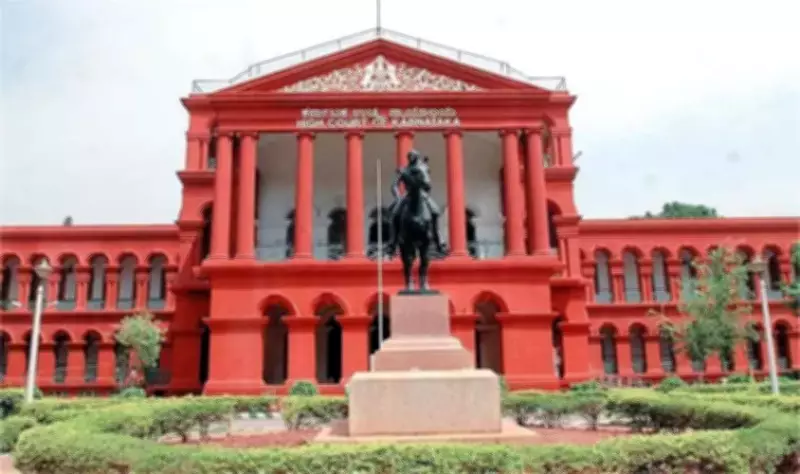
In a significant ruling, the Karnataka High Court has dismissed a petition by parents seeking to quash criminal proceedings against them for marrying off their minor daughter during the Covid-19 pandemic. The court, led by Justice M Nagaprasanna, unequivocally stated that fear of the virus or subsequent marital harmony cannot excuse the illegality of child marriage under Indian law.
Case Background and Legal Proceedings
The case originated from a marriage solemnized in Devanahalli on August 30, 2021, when the groom was 27 years old and the girl was just 16. A suo motu complaint was filed by the local child protection officer under the Prohibition of Child Marriage Act, 2006, leading to a chargesheet against the groom and both sets of parents.
The accused argued for quashing the proceedings, citing that the girl is now over 20 years old and the marriage was registered after she turned 18. They contended that the wedding occurred at the height of the Covid-19 pandemic, driven by fears that the disease could claim lives, and claimed ignorance of the legal consequences at the time.
Court's Stern Rejection and Legal Reasoning
Justice Nagaprasanna firmly rejected these arguments, emphasizing that the law protects childhood to allow it to blossom into informed adulthood. The judge highlighted that sections 9, 10, and 11 of the Act penalize child marriage and its promotion, serving as a strong legal shield.
"They are not merely penal provisions; they are legislative declarations that childhood shall not be prematurely surrendered at the altar of matrimony," the judge stated. He referenced Supreme Court observations that child marriage is not a benign cultural practice but a denial of basic human rights, curtailing education, imperiling health, and exposing children to exploitation.
Justice Nagaprasanna poignantly noted: "A girl married before 18 does not merely enter matrimony; she exits opportunity. The promise of education fades into abstraction. The dream of academic or professional advancement remains precisely that, a dream." He added that parents, who should empower their daughters, often push them into premature marriage instead.
Key Directives and Awareness Measures
The court issued directives to enhance awareness about the law, mandating that child development project officers ensure displays of criminal liability at all marriage venues. Temple authorities, marriage halls, and similar establishments must post notices stating that marrying a person below 18 is prohibited and attracts criminal consequences.
Justice Nagaprasanna clarified that criminal liability is measured at the moment of commission and cannot be neutralized by subsequent domestic peace. "To accept otherwise would be to convert penal law into a matter of retrospective validation through sentiment," he said. He also warned that temple managements, priests, and venue facilitators could face liability under the Act for facilitating such marriages.
This ruling reinforces India's commitment to eradicating child marriage, underscoring that no circumstances, including pandemic fears, can justify violating laws designed to protect minors and ensure their right to a full childhood.