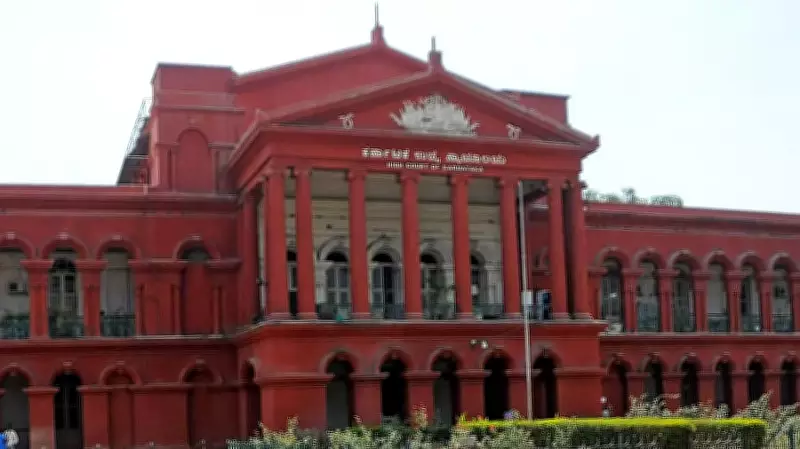
High Court Dismisses Petition to Quash UAPA Charges
The Karnataka High Court on Tuesday refused to quash a case registered under the Unlawful Activities (Prevention) Act (UAPA) against associates of the US-based organisation TTI (Truist Bank). The court held that there was sufficient prima facie evidence to proceed with the investigation.
Justice M. Nagaprasanna, presiding over the single-judge bench, observed that the allegations involved the use of foreign bank debit cards linked to Truist Bank, USA, which were brought into India and used for repeated cash withdrawals from ATMs across multiple states. This, the court noted, indicated a potential violation of foreign exchange regulations and anti-money laundering laws.
Investigation Reveals Cross-State ATM Withdrawals
According to the prosecution, the accused individuals used debit cards issued by Truist Bank to withdraw cash from ATMs in Karnataka, Maharashtra, and other states. The withdrawals totaled over ₹2 crore during a period of six months. The National Investigation Agency (NIA) had taken over the case, citing links to terror financing.

“The investigation revealed that foreign bank debit cards linked to Truist Bank, USA, an overseas bank, were brought into India and used for repeated cash withdrawals from ATMs across multiple states in India,” the court noted in its order.
Defense Arguments Rejected
The defense counsel argued that the UAPA charges were not sustainable as there was no evidence of terrorist activity. They contended that the case was based solely on financial irregularities, which should be dealt with under the Foreign Exchange Management Act (FEMA) rather than UAPA.
However, the court rejected this argument, stating that the UAPA was applicable given the potential for funds to be used for unlawful activities. “The allegations prima facie disclose the commission of an offence under the UAPA. The investigation is at a nascent stage, and quashing the case at this juncture would be premature,” the judge observed.
Implications for the Accused
The decision means that the accused will continue to face trial under the stringent UAPA provisions, which allow for extended detention and stricter bail conditions. The case is now set for further investigation by the NIA.
This ruling underscores the judiciary’s stance on cases involving foreign funding and potential national security threats, especially in the context of organisations with overseas links.