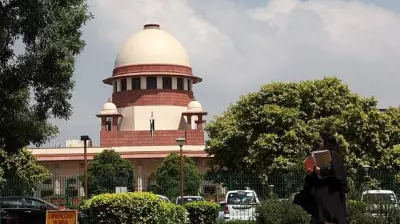
Karnataka High Court Stands Firm on Child Marriage Case, Rejects Quashing Plea
In a significant legal development, the Karnataka High Court has refused to quash a child marriage case involving a man, his parents, and his in-laws. This decision reinforces the judiciary's commitment to combating child marriage practices in the state.
Background of the Case
The case originated in August 2021 when the Child Development Project Officer (CDPO) of Devanahalli taluk filed a suo motu complaint. A suo motu complaint is initiated by an authority on its own motion, without a formal complaint from an affected party, highlighting the proactive stance taken in this instance.
The complaint reported an alleged child marriage, prompting legal action against the accused individuals. Child marriage, defined as a marriage where one or both parties are under 18 years of age, is illegal under Indian law, specifically the Prohibition of Child Marriage Act, 2006.
Court's Decision and Implications
The Karnataka High Court, after reviewing the case, declined to quash the charges, allowing the legal proceedings to continue. This refusal underscores the court's determination to address such violations seriously and send a strong message against child marriage.
Key aspects of the court's stance include:
- Upholding Legal Frameworks: The decision aligns with national and state laws aimed at protecting children's rights and preventing early marriages.
- Proactive Enforcement: By supporting the suo motu complaint, the court validates the role of authorities in initiating action against child marriage without waiting for victim complaints.
- Deterrent Effect: This ruling may serve as a deterrent, discouraging similar practices by emphasizing legal consequences for all involved parties, including family members.
Broader Context and Impact
Child marriage remains a pressing issue in India, with Karnataka reporting instances despite ongoing awareness campaigns and legal measures. This case highlights the collaborative efforts between law enforcement and the judiciary to tackle the problem.
Experts note that such legal actions are crucial for:
- Ensuring accountability among families and communities.
- Promoting education and welfare programs for children.
- Strengthening implementation of child protection laws at the grassroots level.
The Karnataka High Court's decision is expected to influence future cases, encouraging stricter adherence to anti-child marriage regulations. It also reflects a growing judicial trend to prioritize child rights in legal disputes.
As the case proceeds, stakeholders will monitor its outcomes for insights into enforcement challenges and potential reforms. This ruling marks a step forward in the fight against child marriage, emphasizing the need for sustained legal and social interventions.