
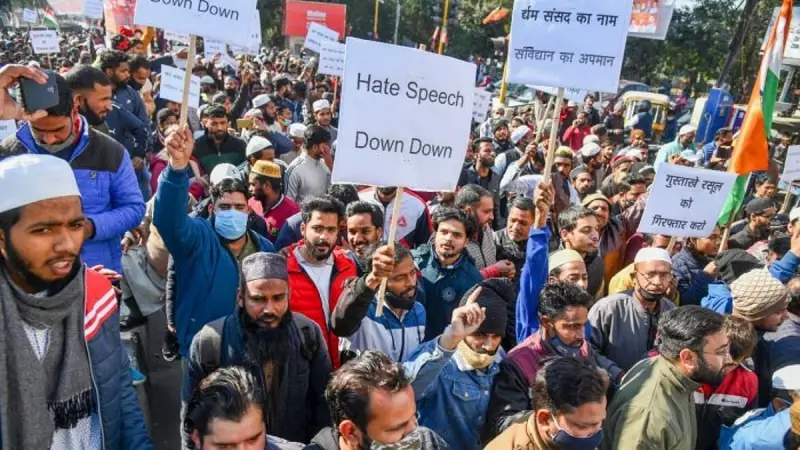
Karnataka's new hate speech bill faces a critical test against India's enforcement gap. The proposed legislation aims to curb hate speech, but its success depends on overcoming systemic challenges.
Existing Criminal Law Provides Limited Protection
Current criminal laws in India offer some protection against hate speech. These provisions punish individual perpetrators. They work to prevent the spread of hateful content to a certain extent.
The laws focus on holding specific people accountable for their actions. This individual-based approach has shown some effectiveness. However, it operates within a larger framework of enforcement difficulties.
Systemic Enforcement Gap Poses Major Hurdle
India's enforcement gap presents a significant obstacle for any new legislation. This gap refers to the difference between laws on paper and their actual implementation. Many laws struggle with consistent enforcement across different regions.
The Karnataka bill must navigate this challenging landscape. Even well-designed legislation can fail without proper enforcement mechanisms. The state government needs to address these systemic issues.
Individual Punishment Versus Systemic Solutions
Existing laws primarily target individual perpetrators of hate speech. This approach has several limitations:
- It responds to incidents after they occur rather than preventing them
- It focuses on punishment rather than rehabilitation or education
- It may not address the underlying social conditions that foster hate speech
- Enforcement can be inconsistent across different communities and regions
The Karnataka bill represents an attempt to create more comprehensive solutions. However, it must work within the existing enforcement framework.
Karnataka's Legislative Context
Karnataka has taken the initiative to address hate speech through new legislation. This move comes amid growing concerns about inflammatory rhetoric in public discourse. The bill aims to provide stronger legal tools against hate speech.
Legal expert Alok Prasanna Kumar has highlighted the enforcement challenges. His analysis points to the gap between legislation and implementation. This gap affects many laws across India, not just those concerning hate speech.
Broader Implications for Indian States
The Karnataka bill's journey could influence other Indian states. Many face similar challenges with hate speech and enforcement gaps. The outcome may set important precedents for future legislation.
States across India are watching how Karnataka addresses these complex issues. The bill's success or failure could guide similar efforts elsewhere. This makes the current debate particularly significant for national policy.
As Karnataka moves forward with its hate speech legislation, the enforcement question remains central. The bill's survival depends on practical implementation, not just legal provisions. India's enforcement gap continues to challenge even the most well-intentioned laws.