Karnataka Police Chief Issues Directive Against Mechanical FIRs for Social Media Content
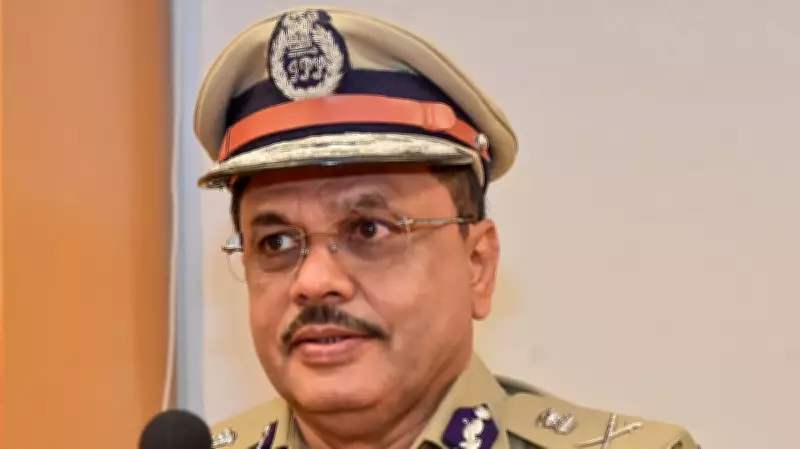
In a significant move to safeguard freedom of expression, the Director General of Police (DGP) of Karnataka, MA Saleem, has issued comprehensive guidelines explicitly prohibiting the filing of mechanical First Information Reports (FIRs) in cases involving social media posts. This directive aims to curb the arbitrary use of legal mechanisms against online speech, particularly in the politically charged digital landscape.
New Police Guidelines Focus on Protecting Political Speech and Setting High Thresholds
The newly released guidelines provide detailed instructions to police officers across Karnataka on how to handle various scenarios, with a special emphasis on protecting political speech. The DGP has mandated that law enforcement must maintain a substantially high threshold before initiating any action related to media posts or speech-related offences. This approach is designed to prevent the misuse of legal provisions to suppress dissent or criticism, ensuring that only genuinely harmful content warrants police intervention.
Key aspects of the guidelines include:

- Prohibition of Mechanical FIRs: Police are instructed not to register FIRs automatically or without thorough scrutiny for social media posts, avoiding knee-jerk reactions to online content.
- Protection of Political Discourse: The guidelines underscore the importance of safeguarding political speech, recognizing its role in a democratic society and discouraging actions that could stifle healthy debate.
- High Threshold for Offences: Officers must apply a stringent standard to determine if a post constitutes a legitimate offence, considering context, intent, and potential harm before proceeding.
- Training and Awareness: The DGP has called for training programs to educate police personnel on these new protocols, ensuring consistent implementation across the state.
Background and Implications for Digital Rights in Karnataka
This directive comes amid growing concerns over the increasing number of cases where individuals have faced legal action for their social media activities, often based on vague or politically motivated complaints. By setting clear parameters, DGP MA Saleem aims to balance law enforcement responsibilities with the protection of constitutional rights, such as freedom of speech and expression. The guidelines are expected to reduce the burden on the judicial system by filtering out frivolous cases and focusing resources on serious threats.
Experts view this as a progressive step that could set a precedent for other states in India, promoting a more nuanced approach to regulating online content. It reflects a broader trend towards recognizing the complexities of digital communication and the need for policies that respect individual liberties while addressing genuine security concerns.
The issuance of these guidelines was officially confirmed on February 9, 2026, marking a pivotal moment in Karnataka's approach to cyber governance and civil liberties.