

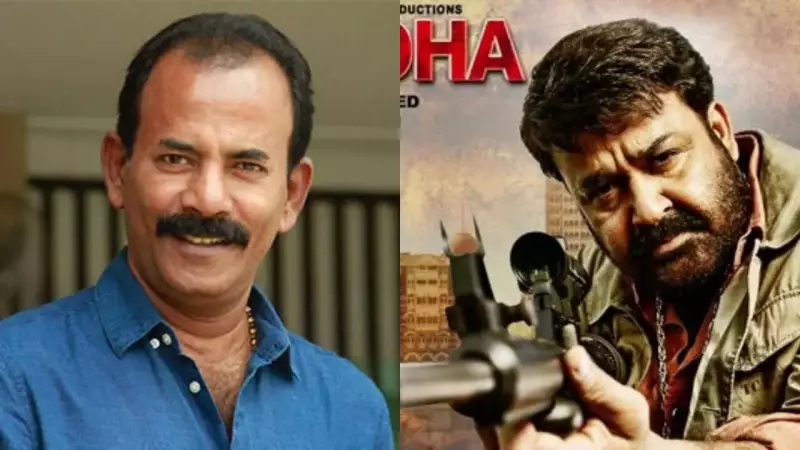
In a landmark verdict that concludes a protracted legal struggle, the Kottayam Commercial Court has settled the long-pending script ownership dispute concerning the 2012 Mohanlal-starrer action film 'Karmayodha'. The court delivered a decisive ruling in favor of the original screenwriter, ending a wait of 13 years.
Verdict: Script Rights Awarded to Original Writer
The court unequivocally declared that the story, screenplay, and dialogues of the film belong to Reji Mathew, a screenwriter hailing from Puthuppally in Kottayam. The judgment accepted his claim that his creative work was utilized for the movie without obtaining his proper permission or authorization.
This ruling represents a significant setback for the film's director, Major Ravi, who was the first accused in the case. Other parties named in the suit included producer Haneef Mohammed and individuals credited as scriptwriters for the released film—Shaji S.V., Sumesh, and Robin.

Compensation and Copyright Transfer Ordered
Beyond establishing authorship, the court mandated substantial financial restitution. It ordered a compensation of Rs 30 lakh to be paid to Reji Mathew. In a move that underscores the gravity of the infringement, the court also directed that the copyright of the film itself be handed over to the rightful creator, Reji Mathew.
The legal journey began just one month before the film's 2012 release, when Reji Mathew approached the court seeking a stay on its premiere. The court permitted the release after Mathew deposited Rs 5 lakh, but it formally recorded the existing dispute over the script's ownership at that time.
Contested Claims and Lasting Impact
Despite the noted dispute, 'Karmayodha' was released with Shaji and Sumesh credited as the scriptwriters, a fact that became central to the litigation. Major Ravi had contended that the story was his own, developed through discussions with several writers, including Reji Mathew. The court's verdict, however, has firmly rejected this argument.
This case highlights the critical importance of clear intellectual property rights and contractual agreements in the Indian film industry. The verdict sets a precedent for writers seeking to claim ownership of their original work, even after a film's production and release.






