Delhi Court Judge Steps Down from Kejriwal's Courtroom Video Case
In a significant legal development, a judge at a Delhi court has voluntarily recused himself from presiding over the high-profile case involving Chief Minister Arvind Kejriwal. The case centers on allegations that Kejriwal illegally recorded courtroom proceedings on video, a matter that has drawn considerable public and media attention.
Details of the Judge's Recusal
The judge cited personal reasons for his decision to step down from the case, a move that is not uncommon in the judiciary to ensure impartiality and avoid any potential conflicts of interest. This recusal means the proceedings will now be reassigned to another judge, potentially causing a delay in the legal process. The case was initially filed based on complaints that Kejriwal had violated court protocols by capturing video footage during a hearing, which is strictly prohibited under Indian law to maintain the sanctity and privacy of judicial proceedings.
Background of the Case Against Kejriwal
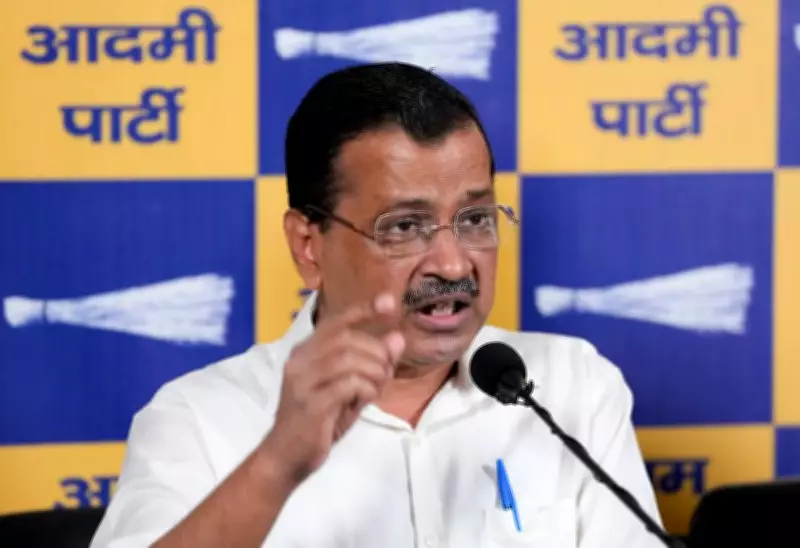
Arvind Kejriwal, the Chief Minister of Delhi and a prominent political figure, is facing legal scrutiny over accusations that he recorded video inside a courtroom. Such actions are considered a breach of court decorum and can lead to contempt charges or other legal penalties. The case has sparked debates on the boundaries of technology use in judicial settings and the enforcement of rules designed to protect the integrity of the legal system. Kejriwal has not publicly commented on the specifics of the allegations, but his legal team is expected to mount a defense in the upcoming hearings.

Implications for the Legal Proceedings
The judge's recusal adds a layer of complexity to the case, as it may result in rescheduling of hearings and a fresh review of the evidence by a new judicial officer. Legal experts suggest that this could prolong the resolution of the matter, impacting both the political landscape and public perception. The case is being closely watched as it touches on issues of accountability for public officials and the adherence to legal norms in India's democratic framework.
Next Steps in the CaseWith the judge stepping aside, the court administration will now assign the case to another judge, who will oversee future proceedings. This transition is standard procedure in such instances, aimed at ensuring a fair and unbiased trial. Observers note that the outcome of this case could set a precedent for how similar incidents are handled in the future, particularly involving high-profile individuals.
Key Points to Note:- The judge recused himself due to personal reasons, emphasizing judicial ethics.
- Kejriwal is accused of recording courtroom video, a violation of court rules.
- The case highlights tensions between technology and legal protocols in India.
- Reassignment to a new judge may delay proceedings but upholds fairness.
This development underscores the ongoing challenges in balancing transparency with the strict regulations governing courtroom conduct in India.