Federal Judge Approves Public Release of Critical Evidence in Border Patrol Shooting Case
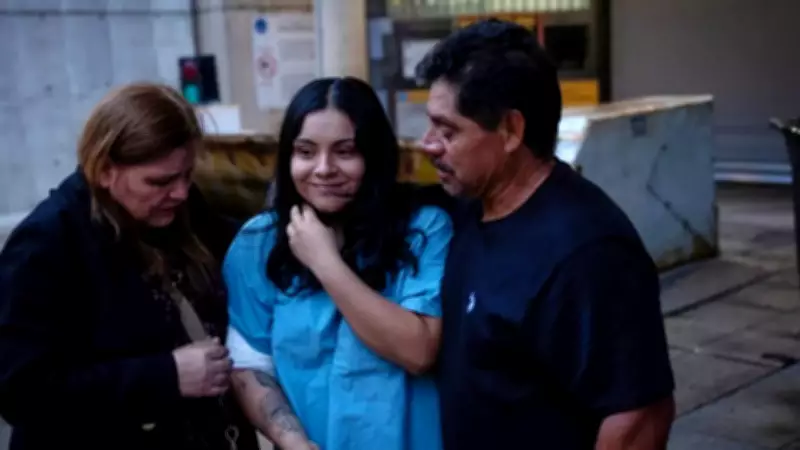
A federal judge has granted a Chicago woman, Marimar Martinez, the right to publicly release crucial evidence from her case, including text messages from the Border Patrol agent who shot her, body camera footage, photographs, and FBI reports. This decision comes after a lengthy legal battle over transparency and accountability in the October 4 incident.
Judge's Ruling Highlights Agent's Mindset and DHS Response
US District Judge Georgia Alexakis ruled on Friday that the materials should be made public, stating they reveal not only the mindset of the agent involved but also how the Department of Homeland Security (DHS) responded following the shooting. The judge emphasized that this release is essential for public understanding and justice.
Among the evidence are text messages from agent Charles Exum, where he boasted about the shooting. In one particularly disturbing message, Exum wrote: “I fired 5 rounds and she had 7 holes. Put that in your book, boys.” This has raised serious questions about the conduct and attitude of the agent during the incident.
Legal Arguments and Reputation Concerns
DHS lawyers had previously argued that releasing the evidence could harm Exum and his family, citing privacy and safety concerns. However, Judge Alexakis countered this by highlighting that Martinez, who was wrongly labeled a “domestic terrorist,” deserves to have her reputation cleared. The judge noted that the public interest in understanding the use of deadly force by federal agents outweighs these privacy concerns.
Details of the Shooting Incident
The shooting occurred after a collision between Martinez's vehicle and federal agents' cars in Chicago. Martinez was shot five times during the altercation. She has consistently denied ramming the agents' vehicles and claims that the agents were the aggressors in the situation.
While Exum's body camera was turned off at the time, footage from other agents and Martinez's 911 call captured the chaos of the event. This evidence is expected to provide a clearer picture of what transpired during the confrontation.
Aftermath and Public Perception
Federal charges against Martinez were dropped with prejudice, meaning they cannot be refiled. Despite this, government officials and social media posts continued to portray her as a threat, perpetuating a narrative that her legal team argues is false.
The judge also approved the release of additional materials, such as vehicle tracking images and surveillance photos. She stated that these could help both the public and officials better understand DHS's protocols and decision-making regarding the use of deadly force.
Impact and Future Implications
Martinez's attorney has expressed that the evidence will expose what they describe as a “counter-factual PR campaign” waged against her. By making this information public, it is hoped that the truth of the incident will come to light, fostering greater accountability and transparency in law enforcement actions.
This case underscores ongoing debates about police conduct, government transparency, and the rights of individuals in confrontations with federal agents. The release of this evidence is seen as a significant step toward addressing these critical issues.