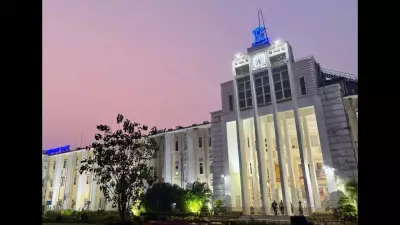
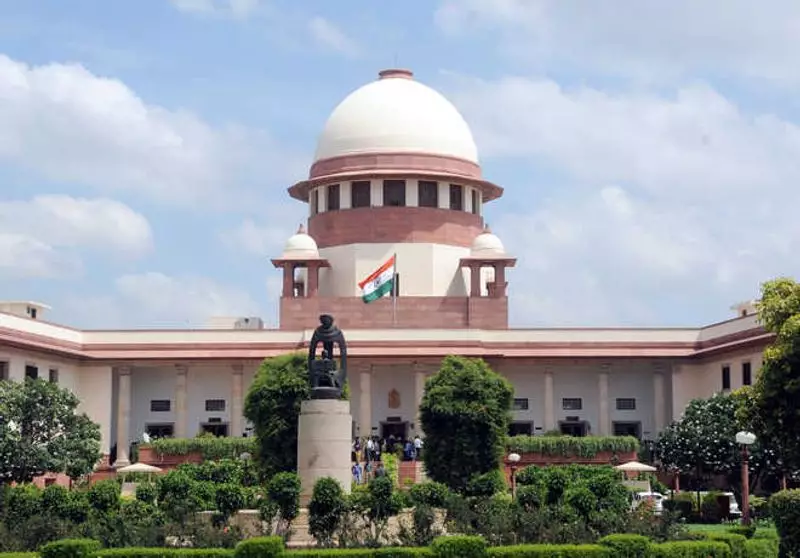
In a significant development, the administration of Jawaharlal Nehru University (JNU) has formally approached the Delhi Police, seeking the registration of a First Information Report (FIR) against a group of students. The action stems from allegations that these students raised provocative slogans on campus following the Supreme Court's decision to deny bail to activists Umar Khalid and Sharjeel Imam.
University Takes a Firm Stand
The JNU administration, in its communication to the police, has specifically requested legal action against the involved students. The complaint alleges that the slogans were raised in a manner that could potentially disrupt the peace and harmony within the university premises. This move underscores the institution's firm stance against activities it perceives as inflammatory or against established norms.
The incident is reported to have occurred shortly after the Supreme Court's ruling on February 6, 2024. On that day, the apex court rejected the bail pleas of Umar Khalid and Sharjeel Imam, who are facing charges under the stringent Unlawful Activities (Prevention) Act (UAPA) in a case related to the larger conspiracy behind the 2020 Delhi riots.
The Context: Supreme Court's Bail Denial
The trigger for the alleged campus protest was a major legal setback for the two activists. The Supreme Court bench, comprising Justices Bela M. Trivedi and Pankaj Mithal, declined to grant bail to Khalid and Imam. The court observed that the allegations against them were "prima facie true" and serious in nature.
Both individuals have been in judicial custody for an extended period. Umar Khalid was arrested in September 2020, while Sharjeel Imam has been in custody since January 2020. Their bail applications have been rejected multiple times by different courts, including the Delhi High Court, before reaching the Supreme Court.
Administrative Action and Student Reaction
The JNU's decision to seek police intervention marks an escalation in its response to on-campus protests. The administration has cited the need to maintain law and order and prevent any activity that might vitiate the academic atmosphere. This step is likely to reignite debates on campus freedom of expression versus institutional discipline.
Student groups associated with the protest have, in the past, argued that such demonstrations are a form of democratic dissent. However, the university authorities appear to have drawn a line at slogans they consider explicitly provocative and potentially unlawful. The Delhi Police is now examining the university's complaint before deciding on the next course of action, which could include filing an FIR and launching a formal investigation.
The case continues to highlight the ongoing tensions surrounding the Delhi riots investigation and the legal challenges faced by the accused. It also brings into focus the complex relationship between student activism, university governance, and legal boundaries in premier educational institutions. The outcome of the police's decision on the FIR will be closely watched by all stakeholders.