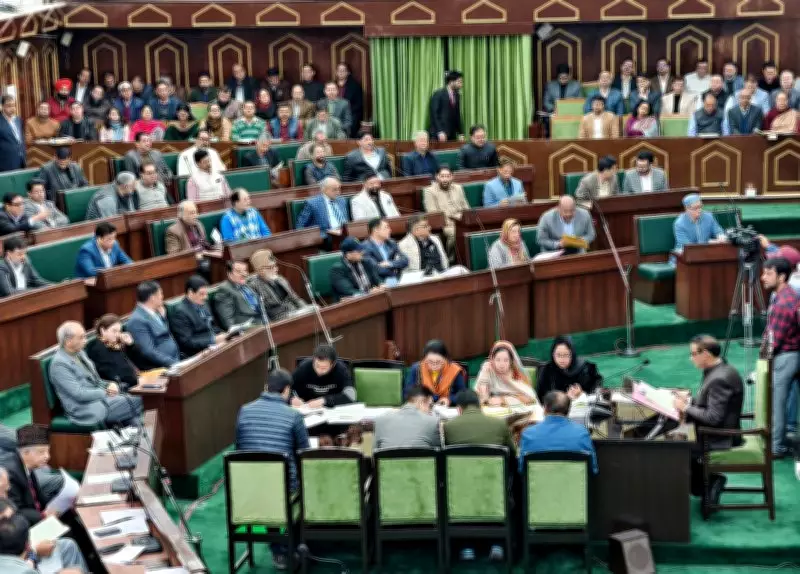
Jammu & Kashmir Assembly Introduces Key Legislative Proposals
The Jammu and Kashmir Legislative Assembly has taken a significant step forward by introducing two crucial bills: the Anti-Discrimination Bill and the Jan Vishwas Bill. These legislative measures are designed to address pressing social and administrative issues within the region, marking a pivotal moment in the state's governance framework.
Details of the Anti-Discrimination Bill
The Anti-Discrimination Bill aims to establish a robust legal framework to prevent and penalize discrimination based on various grounds. This bill is expected to cover a wide range of protected characteristics, potentially including:
- Race, religion, caste, or ethnicity
- Gender, sexual orientation, or disability
- Age, marital status, or socioeconomic background
By introducing this bill, the assembly seeks to promote equality and social justice, ensuring that all residents of Jammu and Kashmir can live without fear of unfair treatment. The legislation is anticipated to include provisions for setting up grievance redressal mechanisms and imposing penalties on violators, thereby fostering a more inclusive society.
Overview of the Jan Vishwas Bill
Simultaneously, the Jan Vishwas Bill focuses on enhancing public trust in governmental processes and institutions. This bill is likely to introduce reforms aimed at:
- Streamlining bureaucratic procedures to reduce delays
- Increasing transparency in administrative decision-making
- Implementing measures to curb corruption and inefficiency
The Jan Vishwas Bill underscores the government's commitment to improving governance and building stronger connections with the citizenry. By addressing long-standing issues in public administration, this legislation aims to restore faith in the system and encourage greater civic participation.
Implications and Future Steps
The introduction of these bills in the Jammu and Kashmir Assembly signals a proactive approach to legislative reform. Key implications include:
- Potential reduction in social disparities through anti-discrimination laws
- Enhanced efficiency and accountability in government operations
- Strengthened legal protections for vulnerable groups
Moving forward, the bills will undergo detailed scrutiny, including debates and possible amendments, before being put to a vote. Stakeholders, including civil society organizations and legal experts, are expected to provide input during this process to ensure the legislation is comprehensive and effective.
This legislative initiative reflects the assembly's dedication to addressing contemporary challenges and aligning with broader national goals of justice and good governance. The successful passage of these bills could set a precedent for other states in India, highlighting the importance of inclusive and trustworthy governance in fostering regional stability and development.