Jharkhand High Court Intervenes in Illegal Student Detention Case
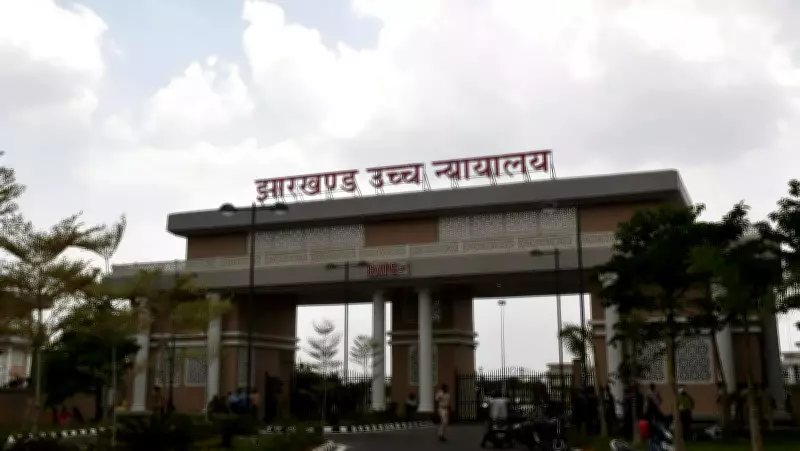
The Jharkhand High Court has taken a stern stance against police misconduct, directing Chatra Superintendent of Police Sumit Agarwal to provide a detailed explanation for the unlawful detention of two students. The students were held at the Lawalong police station for ten days without following proper legal protocols, sparking outrage and judicial scrutiny.
Court Criticizes Police Actions as Beyond Legal Bounds
During a hearing on Monday, a division bench comprising Justice Sujit Narayan Prasad and Justice Arun Kumar Rai expressed deep concern over the police's actions. The bench emphasized that law enforcement agencies must uphold their duty to maintain a positive character and impression in society. The court observed that if the students had been released after interrogation, it would have sent a constructive message. However, detaining them without justification undermines public trust and violates legal procedures.
The judges noted that the students are not hardcore criminals, and had there been substantial evidence, formal charges would have been filed, leading to a magistrate's review or lawful custody. Instead, the police held the students at the station without any recorded justification, as revealed by the case diary presented in court. This diary failed to document the custody, highlighting a serious lapse in protocol.
Background of the Case and Legal Proceedings
The incident began on January 26 when police picked up the two students, along with their mobile phones, on allegations of involvement in an extortion racket. Despite the lack of formal charges, they were not released and remained in lock-up for ten days. This prompted Akhtari Khantun, the mother of one of the detainees, to file a habeas corpus petition, seeking their release and challenging the detention's legality.
SP Sumit Agarwal appeared in person before the High Court to address the petition. The court's interaction with him underscored the need for accountability and adherence to the law. The case diary's omission of custody details further complicated the police's position, as it suggested an attempt to bypass legal requirements.
Implications for Police Conduct and Future Hearings
This case raises critical questions about police practices in Jharkhand, particularly regarding the treatment of individuals under suspicion. The High Court's directive serves as a reminder that law enforcement must operate within the framework of the law to prevent abuses of power. The court has scheduled the next hearing for February 27, where further arguments and evidence will be examined.
The outcome of this case could set a precedent for how similar situations are handled in the future, emphasizing the importance of due process and human rights. As the legal proceedings continue, stakeholders are watching closely to see how authorities respond to judicial oversight and whether reforms will be implemented to prevent such incidents.