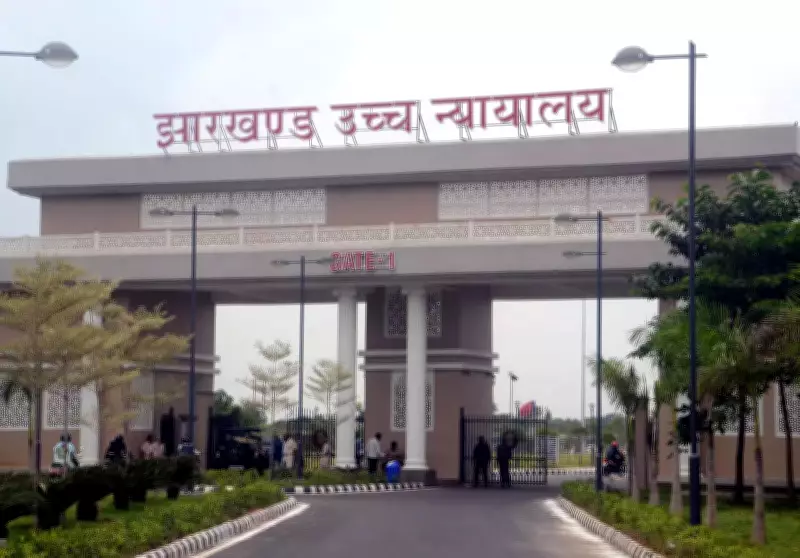
Jharkhand High Court Mandates Alternate Highway Route to Safeguard Koderma Wildlife Sanctuary
The Jharkhand High Court has issued a significant directive to the National Highways Authority of India (NHAI), compelling the agency to formulate a proposal for an alternate roadmap that bypasses the wildlife sanctuary in Koderma. This decision emerged during a hearing on Monday, where a division bench comprising Chief Justice MS Sonak and Justice Rajesh Shankar addressed a public interest litigation concerning the four-lane extension program of the NHAI in the region.
Environmental Concerns Prompt Judicial Intervention
The contentious NHAI project involves the four-laning of the highway from Koderma to Medha Tari, a stretch that currently traverses through the sensitive wildlife sanctuary in Koderma. Environmental advocates and petitioners have raised alarms that the extension work would necessitate the felling of a large number of trees, posing a severe threat to the local ecology and biodiversity. In response to these concerns, the court has taken a proactive stance to mitigate potential environmental damage.
Court Directs Collaboration with State Wildlife Board
In its ruling, the court explicitly directed the NHAI to engage in consultations with the State Wildlife Board to develop an alternate alignment for the four-lane highway extension. This collaborative approach aims to balance infrastructure development with environmental preservation, ensuring that the project proceeds without compromising the sanctuary's integrity. The NHAI counsel informed the court that the authority is already in the process of preparing an alternate project in consultation with the wildlife board, highlighting a commitment to ecological stewardship.
New Detailed Project Report to Focus on Conservation
The NHAI has assured the court that the new Detailed Project Report (DPR) being prepared will prioritize the protection of the wildlife sanctuary and the preservation of the local ecology as much as possible. This move signifies a shift towards more sustainable infrastructure planning, where environmental considerations are integrated into the core of project designs. The court's directive underscores the judiciary's role in enforcing environmental safeguards amidst rapid development initiatives.
Next Hearing Scheduled for April 28
The case is set to be heard next on April 28, where the NHAI is expected to present its draft proposal for the alternate route. This upcoming hearing will be crucial in assessing the feasibility and environmental impact of the proposed alignment, potentially setting a precedent for similar projects across the country. The judicial oversight ensures that the process remains transparent and accountable to public interest and ecological concerns.
Implications for Future Infrastructure Projects
This ruling by the Jharkhand High Court serves as a landmark decision that could influence how highway and other infrastructure projects are planned near protected areas in India. It emphasizes the necessity of incorporating environmental assessments and stakeholder consultations early in the planning stages to avoid legal hurdles and ecological harm. As the NHAI works on its alternate proposal, all eyes will be on the outcomes of the April 28 hearing, which will determine the next steps for this critical development project.