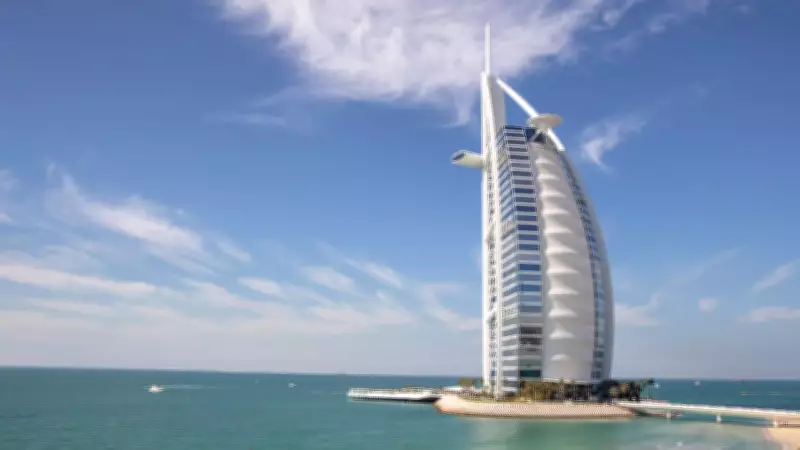
Iranian Drone Strike Triggers Minor Fire at Dubai's Iconic Burj Al Arab Hotel
In a dramatic escalation of regional tensions, Dubai's world-renowned Burj Al Arab hotel was struck by a minor fire following an intercepted drone attack. The incident, which occurred amid reports of broader military actions across the Middle East, has raised alarms about the security of key infrastructure in the United Arab Emirates.
Official Confirmation and Immediate Response
The Dubai Media Office officially confirmed the event through a statement on X, formerly known as Twitter. "Authorities confirm that a drone was intercepted, and debris caused a minor fire on the Burj Al Arab's outer facade," the statement read. It further noted that Civil Defence teams responded immediately and brought the incident under control, with no injuries reported among guests or staff.
This swift containment highlights the preparedness of Dubai's emergency services, though the symbolic impact of targeting such an iconic structure is significant. The Burj Al Arab, a 60-story luxury hotel perched on an artificial island near the Burj Khalifa, is a global symbol of Dubai's opulence and architectural ambition.
Social Media Reports and Regional Context
Local residents and social media users were quick to share videos and accounts of the incident. One user on X claimed, "Iranian Shahed Drone Strikes Burj Al Arab in Dubai Amid Escalating Retaliation", suggesting the drone was a Shahed-type kamikaze UAV from Iran. Another tweet echoed this, stating, "Looks like the world famous Burj Al Arab hotel in Dubai got hit by Irani drone."
These reports align with a broader pattern of attacks in the region. The incident comes on the heels of damage sustained at Dubai International Airport on Saturday, where a concourse was hit, resulting in four staff injuries. Dubai Airports confirmed minor damage but emphasized that contingency plans had previously cleared most terminals of passengers.
Escalating Tensions and Safety Measures
The drone strike at Burj Al Arab is part of a volatile situation unfolding across the Middle East. Reports indicate missile strikes targeting US navy headquarters in Bahrain, explosions heard in Abu Dhabi and Doha, and Iranian attacks on US military bases under an operation dubbed 'Truthful Promise 4'. Additionally, an AI Tel Aviv flight was forced to return to India amid the chaos.
In response to the heightened threat level, UAE authorities issued urgent safety advisories to residents late on Saturday. A message circulated advising people to "seek immediate shelter in the closest secure building, steer away from windows, doors, and open areas" due to potential missile threats. This directive underscores the gravity of the security situation and the proactive measures being taken to protect civilians.
Analysis and Implications
The targeting of Dubai's Burj Al Arab, while resulting in only minor physical damage, carries profound symbolic weight. It signals a potential expansion of conflict zones into commercial and tourist hubs, challenging the perception of the UAE as a stable haven in the region. The incident also raises questions about the effectiveness of air defense systems in intercepting drone threats, a growing concern in modern warfare.
As tensions between Iran, the US, and Israel continue to simmer, such attacks could have far-reaching consequences for international travel, trade, and diplomacy. The Dubai Media Office has promised further updates as the situation develops, urging the public to stay informed through official channels.
In summary, the drone-induced fire at Burj Al Arab is a stark reminder of the fragile security landscape in the Middle East. While Dubai's response was prompt and effective, the event highlights the ongoing risks posed by regional conflicts to global landmarks and infrastructure.