Iranian State Media Confirms Death of Supreme Leader Ayatollah Ali Khamenei
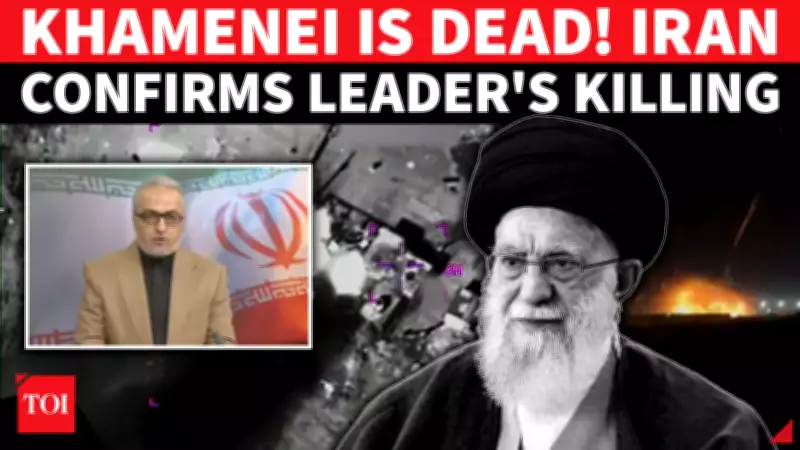
In a dramatic and somber broadcast, Iranian state television has officially announced the passing of the nation's Supreme Leader, Ayatollah Ali Khamenei. The announcement, described as a shock to the Islamic Republic, stated that Khamenei has "joined the highest kingdom and drinks the nectar of martyrdom," a phrase traditionally used in Iran to honor deceased leaders with religious significance.
Nation Plunges Into 40 Days of Official Mourning
Following the confirmation, Iranian authorities have declared a 40-day period of national mourning, a customary practice in Shia Islam to honor the dead. This extended mourning period is expected to see widespread public ceremonies, processions, and a temporary halt to many official functions as the country grapples with the loss of its top spiritual and political figure.
Uncertainty and Conflicting Reports Fuel Regional Tensions
The announcement comes amid a backdrop of heightened regional instability and conflicting reports. While state media has confirmed Khamenei's death, details surrounding the circumstances remain unclear due to reported information blackouts and limited transparency. High-level casualties have been mentioned in various reports, adding to the sense of crisis and fear of significant political fallout within Iran's complex governance structure.
This development has the potential to trigger seismic shifts in Iran's domestic politics, as the Supreme Leader holds ultimate authority over key state institutions, including the military and judiciary. The succession process, which involves a council of clerics, is now a critical focus, with analysts warning of possible internal power struggles during this transitional phase.
Regional Implications and Escalating Conflicts
Khamenei's death occurs at a time of escalating tensions in the Middle East, particularly involving Iran, Israel, and the United States. Recent reports have highlighted:
- Missile attacks and retaliatory strikes across the region.
- Statements from international figures, including former U.S. President Donald Trump, commenting on the situation.
- Disruptions to global energy supplies due to conflicts near strategic waterways like the Strait of Hormuz.
The uncertainty in Iran's leadership could influence these ongoing conflicts, potentially leading to further regional escalation or diplomatic maneuvers as neighboring states and global powers assess the new landscape.
As Iran enters this period of mourning and transition, the world watches closely for developments in succession plans, internal stability, and the broader geopolitical ramifications in an already volatile region.