Iran Prioritizes Missile Power Over Nuclear Revival As US War Clouds Gather
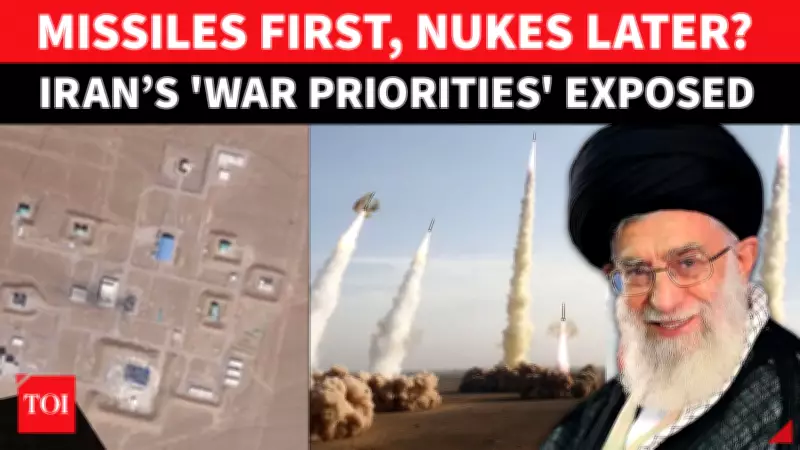
New satellite intelligence reveals Iran is executing a swift reconstruction of its ballistic missile infrastructure, heavily damaged during the June conflict with Israel, even as its key nuclear installations show no signs of similar repair activity. This strategic choice underscores Tehran's immediate focus on conventional deterrence capabilities rather than reviving its atomic program, according to analysis of the imagery reported by the New York Times.
Supreme Leader's Directive Fuels Rapid Missile Facility Restoration
Under direct orders from Supreme Leader Ayatollah Ali Khamenei, Iranian military engineers are working at an accelerated pace to restore operational capacity at multiple missile production and launch sites. The reconstruction effort appears concentrated on facilities capable of producing medium and long-range ballistic systems that can target regional adversaries, including Israel and US military bases across the Middle East.
This rebuilding surge coincides with heightened American military preparations in the region, as President Donald Trump evaluates potential strike options against Iranian assets. The United States has significantly bolstered its force posture, deploying additional naval assets and air power to the Persian Gulf and surrounding areas, creating a tense standoff atmosphere.
Nuclear Facilities Remain Visibly Damaged, Signaling Strategic Priorities
While missile sites receive urgent attention, satellite photographs indicate that critical nuclear facilities, including enrichment plants and research centers, continue to display visible damage from previous conflicts and sabotage operations. The contrasting repair status between missile and nuclear infrastructure provides clear insight into Iran's current defense priorities amid the escalating crisis.
"Iran is betting heavily on its missile arsenal as its primary deterrent tool," explains Middle East security analyst Dr. Farid Hassan. "By rapidly restoring these capabilities while leaving nuclear sites untouched, Tehran sends a calculated message: it can project conventional military power without crossing red lines that might trigger broader international intervention."
Deterrence Strategy Targets Multiple Regional Threats
Military experts interpret Iran's missile-focused rebuild as a multi-layered deterrence strategy designed to counter several potential threats simultaneously:
- Israeli military capabilities: Restoring missile ranges that can reach Israeli territory
- US regional forces: Maintaining threat against American bases in Iraq, Syria, and Gulf states
- Regional allies: Countering Saudi Arabian and Emirati military developments
- Strategic uncertainty: Creating ambiguity about Iran's nuclear timeline while demonstrating conventional strength
The developments occur against a backdrop of deepening uncertainty about Iran's nuclear future. While the country maintains it seeks only peaceful nuclear energy, international monitors remain concerned about potential weapons development, particularly as diplomatic efforts have stalled and sanctions pressure continues.
Regional Implications and Potential Escalation Scenarios
Iran's missile rebuild and the concurrent US military buildup create a volatile situation with several possible escalation pathways:
- Preemptive strikes: Either side might launch preventive attacks against perceived threats
- Proxy conflicts: Increased support for regional militant groups could expand fighting
- Naval confrontations: Tensions in vital shipping lanes like the Strait of Hormuz
- Diplomatic breakdown: Complete collapse of remaining nuclear agreement frameworks
As both Iran and the United States prepare for potential conflict while avoiding direct confrontation, the rapid missile facility repairs represent Tehran's attempt to strengthen its bargaining position and military readiness. The coming months will reveal whether this strategy succeeds in deterring attack or instead contributes to further escalation in one of the world's most volatile regions.