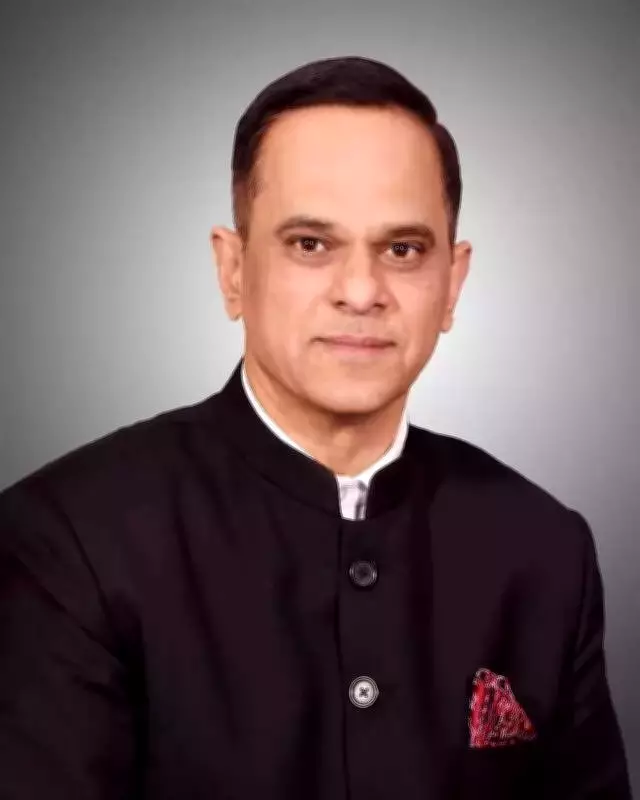
In a significant virtual meeting held from the state secretariat in Jaipur, Chief Secretary V Srinivas addressed Indian Police Service (IPS) officers eligible for central deputation, highlighting its dual importance as both a cadre requirement and a pivotal avenue for professional advancement.
Central Experience Strengthens State Administration
Srinivas articulated that the experience and insights gained by officers during their tenure at the Centre ultimately contribute to fortifying the administrative capabilities and efficiency of state police forces. He underscored that this exposure is not merely a procedural obligation but a transformative opportunity that enhances an officer's skill set and strategic perspective.
Urging Timely and Informed Career Decisions
During the video conference interaction, the Chief Secretary urged the assembled IPS officers to approach their career trajectories with foresight and deliberation. He emphasized the importance of making well-considered decisions regarding central deputation, encouraging them to actively seek and contribute to central services when they meet the eligibility criteria, thereby enriching their professional journey.
Mandatory Deputation Requirements Outlined
Director General of Police (DGP) Rajeev Kumar Sharma provided clear directives regarding the deputation process. He stated that officers from the 2011 batch onwards are required to complete a minimum of two years of central deputation. This tenure must be served at the level of Superintendent of Police (SP) or Deputy Inspector General (DIG).
Sharma described this mandatory period as essential exposure, a critical preparatory phase that equips officers with the necessary experience and competencies before they are appointed to more senior and responsible positions within the police hierarchy.
Clarification on Norms and Tenure
Officials from the personnel department were also present during the meeting. They took the opportunity to brief the eligible IPS officers on the detailed eligibility norms, procedural requirements, and the stipulated tenure associated with central deputation. This session aimed to provide clarity and ensure officers are fully informed about the framework governing their potential assignments at the central level.
The interaction in Jaipur served as a comprehensive platform to reinforce the institutional importance of central deputation, framing it as a cornerstone for both individual career progression and the broader strengthening of police administration across the state and the nation.