

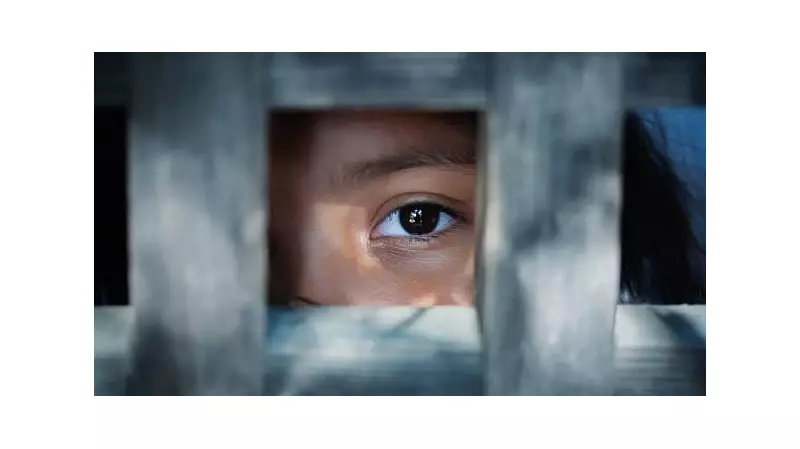
A decade after promises of sweeping reform, India's juvenile justice system remains a fractured landscape of institutional failures, systematically undermining the futures of countless children. The vision of a compassionate and rehabilitative framework, pledged years ago, has collided with the harsh reality of implementation gaps, inadequate infrastructure, and systemic apathy.
The Unfulfilled Promise of Reform
Ten years ago, a national commitment was made to overhaul the approach towards children in conflict with the law. The intent was to shift from a purely punitive model to one focused on reformation and social reintegration. Landmark legislative changes were enacted with the goal of protecting the rights and dignity of every child. However, the transition from law books to ground reality has been painfully slow and incomplete. The core promise of creating a system that heals rather than harms has been largely unmet.
Persistent Institutional Gaps and Challenges
The system is crippled by a series of interconnected failures. Observation homes and special homes, meant to be places of care and correction, are often overcrowded and under-resourced. There is a severe shortage of trained personnel, including probation officers, psychologists, and counsellators, who are crucial for effective rehabilitation.

Furthermore, the infrastructure for education, vocational training, and mental health support within these institutions is grossly inadequate. This lack of constructive engagement leaves children in a state of limbo, devoid of the skills or support needed to rebuild their lives. The procedural delays in the Juvenile Justice Boards further exacerbate the problem, keeping children in institutional care for prolonged periods without resolution.
The Human Cost: Lost Futures
The most tragic consequence of this broken system is the human cost. Children who enter it with the hope of a second chance frequently find their prospects dimmed. Instead of rehabilitation, many experience a cycle of neglect that pushes them towards further marginalization. The failure to provide proper education, counselling, and family reintegration services means these children are often set up for failure, unable to break free from their circumstances.
This systemic failure not only betrays the children it is meant to serve but also represents a broader societal failing. It squanders human potential and undermines the very foundation of a just and equitable society. The date of December 17, 2025, marks a sobering milestone—ten years of a promise deferred, and a generation of futures compromised.
A Call for Urgent Action
The continued existence of these gaps is a clear indictment of institutional apathy. Merely having laws on paper is insufficient without the political will and administrative machinery to implement them effectively. There is an urgent need for:
- Substantial investment in infrastructure and human resources for juvenile care homes.
- Mandatory and regular training for all functionaries within the juvenile justice system.
- Strengthening of aftercare and follow-up programs to ensure successful social reintegration.
- Greater accountability and monitoring mechanisms to track outcomes for children.
Without these critical steps, the next ten years will merely echo the failures of the past, condemning more young lives to a cycle of lost opportunities. The time for corrective action is now, before more futures are irrevocably broken by the system designed to mend them.






