Himachal Government Moves Supreme Court Against HC Order Mandating Gram Panchayat Polls by April 30
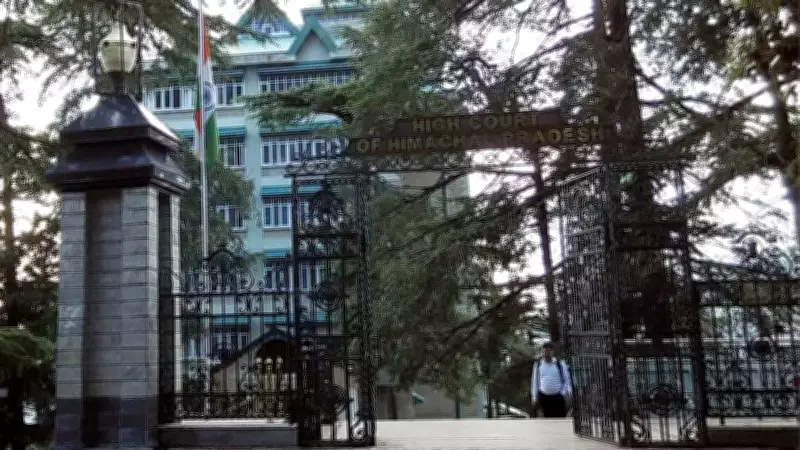
The Himachal Pradesh government has escalated a legal battle over the timing of rural local body elections by filing a Special Leave Petition (SLP) in the Supreme Court. This move challenges a recent order from a double bench of the Himachal Pradesh High Court that directed the state to conduct gram panchayat elections before April 30, 2026.
Background of the High Court Directive
On January 9, 2026, the Himachal Pradesh High Court issued a significant order instructing the state government and the State Election Commission (SEC) to ensure that elections to the rural local bodies are held within the stipulated timeframe. The court emphasized the importance of adhering to constitutional provisions governing Panchayati Raj institutions and the principles of democratic decentralisation.
This directive came after the tenure of approximately 3,650 gram panchayats in Himachal Pradesh expired on January 31. Petitioners in the high court had argued that any postponement of these elections undermines grassroots democracy and violates constitutional mandates requiring regular elections to local bodies.
Legal Grounds for the Supreme Court Appeal
Confirming the development, state Advocate General Anup Rattan stated that the SLP has been filed on two main legal issues arising from the high court's directions. "We have moved a Special Leave Petition in the Supreme Court against the high court decision on Tuesday. The SLP has been filed on two main legal issues," he said.
Explaining the grounds of the petition, Rattan outlined the following key arguments:
- First Legal Issue: The state government questions whether a statutory constitutional body like the State Election Commission can proceed with conducting elections when a central legislation, such as the Disaster Management Act, 2005, is in force. This is particularly relevant during notified disaster or emergency conditions, which the government cites as administrative constraints.
- Second Legal Issue: The government contends that the January 9 directive of the high court's double bench—mandating elections before April 30—contravenes an earlier high court judgment delivered in 2021 on the same subject. According to the state's plea, the earlier ruling had established a different legal position or timeline regarding the conduct of panchayat elections, creating a legal inconsistency that requires adjudication by the Supreme Court.
State Government's Position and Challenges
The Himachal Pradesh government has cited several reasons for delaying the poll process, including:
- Administrative Constraints: The complexities involved in organizing elections across the state's diverse and often remote regions.
- Disaster-Management Considerations: Ongoing or potential emergency situations that might impact the smooth conduct of elections.
- Legal Complexities: The interplay between state election mandates and central laws like the Disaster Management Act.
Despite these challenges, the high court took cognisance of the petitioners' arguments and intervened to set a deadline, directing the authorities to complete the electoral process by April 30. This move was aimed at preserving the democratic framework at the grassroots level.
Implications for Grassroots Democracy
The legal tussle highlights the tension between administrative practicality and constitutional obligations in ensuring timely elections for local self-governance bodies. Gram panchayats play a crucial role in rural development and governance, and any delay in their reconstitution can affect the delivery of services and democratic participation at the village level.
The Supreme Court's decision on this SLP will be closely watched, as it could set a precedent for how similar conflicts between state election schedules and overarching legal frameworks are resolved in the future. The outcome will also impact the functioning of Panchayati Raj institutions in Himachal Pradesh and potentially influence practices in other states facing analogous situations.
As the legal proceedings unfold, stakeholders including political parties, civil society organizations, and the electorate await clarity on the timeline for the much-anticipated gram panchayat elections in the hill state.