Meghalaya High Court Takes Action as Illegal Mine Blast Death Toll Hits 18
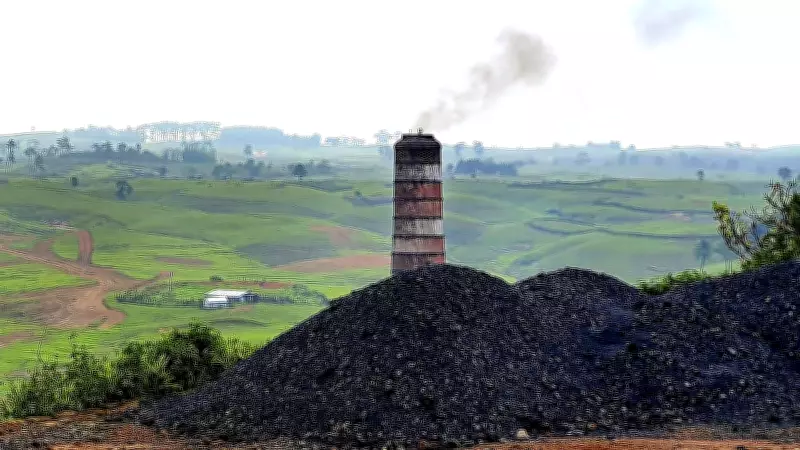
The Meghalaya High Court has intervened decisively in the aftermath of a devastating explosion at alleged illegal coal mines in the Thangsku area, summoning state officials for a hearing. This judicial move comes as the confirmed death toll from the tragic incident has alarmingly risen to eighteen individuals, highlighting the severe human cost of unlawful mining operations in the region.
Court Initiates Suo Motu Proceedings Following Reports
A division bench comprising Justices HS Thangkhiew and W Diengdoh has taken suo motu cognisance of media reports detailing the blast, demonstrating the court's proactive stance on matters of public safety and regulatory enforcement. By acting on its own motion, the bench underscores the urgency and gravity of the situation, bypassing the usual wait for formal petitions to address what appears to be a systemic failure in preventing illegal mining activities.
The explosion, which occurred in the Thangsku locality, has exposed critical lapses in oversight and enforcement mechanisms. Authorities are now under intense scrutiny as the court seeks to unravel the circumstances that led to this catastrophic event, with a focus on accountability and preventive measures to avert future tragedies.
Rising Casualty Figures Prompt Judicial Scrutiny
As the death toll climbed to 18, the High Court's summons to officials signals a rigorous investigation into the incident. The bench is expected to demand detailed reports on:
- The extent of illegal mining operations in Thangsku and surrounding areas.
- Measures taken by state authorities to curb such activities prior to the blast.
- Emergency response and rescue efforts following the explosion.
- Long-term strategies to prevent recurrence and ensure miner safety.
This tragedy has reignited concerns over the persistent issue of illegal coal mining in Meghalaya, a state rich in mineral resources but plagued by regulatory challenges. The court's involvement aims to bridge gaps in governance and enforce stricter compliance with mining laws, which are often flouted due to economic incentives and lax monitoring.
Broader Implications for Mining Regulation and Safety
The incident underscores a pressing need for enhanced safety protocols and robust regulatory frameworks in India's mining sector. Illegal mines, operating without proper licenses or safety standards, pose significant risks to workers and the environment. The High Court's intervention could set a precedent for judicial oversight in similar cases across the country, promoting accountability and transparency in resource extraction industries.
As the investigation unfolds, stakeholders including government agencies, mining communities, and environmental advocates will be closely watching the court's directives. The outcome may influence policy reforms and enforcement actions aimed at curbing illegal mining and protecting vulnerable laborers from hazardous working conditions.
This report is based on information available as of February 5, 2026, with the High Court's proceedings marking a critical step toward justice and preventive action in the wake of the Thangsku mine blast.