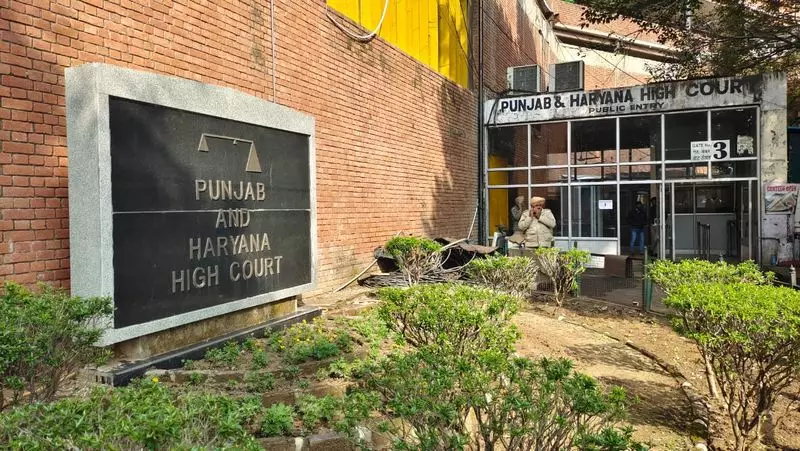
In a significant development for the judicial system in the region, the Punjab and Haryana High Court has reported a substantial reduction in its backlog of cases. Data reveals that the number of pending cases has fallen by over 11,000 in just one year, marking a decisive break from the historical trend of increasing pendency.
A Historic Shift in Case Backlog Trends
For years, the mounting pile of unresolved cases has been a major concern for the Punjab and Haryana High Court, mirroring a nationwide challenge. However, recent statistics indicate a promising reversal. The total pendency, which stood at a staggering 6,02,486 cases as of December 31, 2022, was brought down to 5,91,285 cases by December 31, 2023. This represents a net decrease of 11,201 cases over the twelve-month period.
This achievement is particularly notable because it counters the pattern observed in the preceding five years. Between 2018 and 2022, the court's pendency had consistently grown, adding an average of nearly 30,000 cases each year to its docket. The turnaround in 2023 signifies a critical shift in the court's operational efficiency and case management.

Drilling Down into the Data: Civil vs. Criminal Cases
A closer look at the data provided by the High Court's management information system shows where the progress was made. The reduction was not uniform across all case types but was led by a sharp decline in pending civil matters.
The backlog of civil cases saw a remarkable drop of 14,885 cases, falling from 4,53,230 to 4,38,345. This substantial decrease was partially offset by an increase in pending criminal cases, which rose by 3,684 cases from 1,49,256 to 1,52,940. The net effect of these opposing movements is the overall reduction of 11,201 cases.
Factors Behind the Positive Turnaround
Legal experts and court officials point to several concerted efforts that contributed to this positive trend. A primary driver has been the focused push to clear long-pending cases, especially those that have been languishing for five, ten, or even more than twenty years. Special benches and dedicated drives were constituted to tackle these aged cases.
Furthermore, the increased adoption of technology for virtual hearings and e-filing, a legacy of the pandemic-era adaptations, has continued to streamline processes. This has improved accessibility and reduced procedural delays. The data suggests that the strategic planning by the judiciary, aimed at enhancing productivity and reducing case pendency, is beginning to yield measurable results.
The consistent efforts of judges, court staff, and the legal fraternity have been instrumental in achieving this decline. While the increase in criminal pendency highlights an area requiring continued attention, the overall drop provides a much-needed morale boost and a model for other overburdened courts in the country.
The Road Ahead for Judicial Efficiency
While the reduction of over 11,000 cases is a commendable feat, the total pendency figure remains high at nearly 5.91 lakh cases. The challenge now is to sustain and accelerate this momentum. Legal analysts emphasize that continued investment in judicial infrastructure, filling vacancies in judges' posts promptly, and promoting alternative dispute resolution mechanisms are crucial for building on this success.
The data from the Punjab and Haryana High Court offers a glimmer of hope in the long-standing battle against judicial delays. It proves that with targeted intervention and sustained effort, reversing the trend of growing backlogs is possible. This development is being closely watched as a potential blueprint for tackling the massive judiciary backlog across India.