Allahabad High Court Takes Action on Heritage Preservation
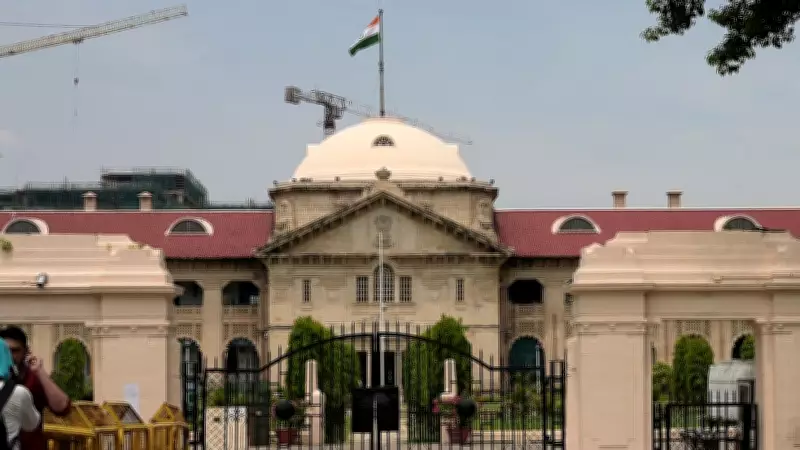
The Allahabad High Court has taken a significant step in addressing the deteriorating state of heritage structures across Uttar Pradesh. In a recent hearing, the court issued formal notices to the Uttar Pradesh government, several Central ministries, and the Archaeological Survey of India (ASI). This move comes in response to a public interest litigation (PIL) that highlights the urgent need for conservation efforts.
Public Interest Litigation Sparks Judicial Intervention
The court was hearing a PIL filed by lawyer Akash Vashishtha, who brought attention to the alarming condition of heritage sites at various locations. Vashishtha's petition underscores the neglect and decay affecting these culturally significant structures, prompting the court to demand accountability from relevant authorities.
The notices require the respondents to provide detailed explanations and action plans for the preservation and restoration of these heritage sites. This judicial intervention aims to ensure that proper measures are implemented to safeguard India's historical legacy.

Key Respondents and Their Responsibilities
The respondents in this case include:
- The Uttar Pradesh state government, responsible for local governance and heritage management within the state.
- Central ministries involved in cultural affairs and heritage conservation, tasked with national-level policies and funding.
- The Archaeological Survey of India (ASI), the premier organization for archaeological research and protection of monuments.
The court's action reflects growing concerns over the preservation of India's rich cultural heritage, which faces threats from urbanization, environmental factors, and inadequate maintenance.
Implications for Heritage Conservation
This case could set a precedent for similar issues nationwide, emphasizing the legal and moral obligations to protect heritage structures. The PIL argues that these sites are not only historical treasures but also vital for tourism, education, and community identity.
Experts suggest that the court's involvement may lead to:
- Increased funding and resources for heritage conservation projects.
- Stricter enforcement of preservation laws and regulations.
- Greater public awareness and participation in safeguarding cultural assets.
The next hearing is expected to review the responses from the notified parties, potentially leading to further directives or orders to address the dilapidated conditions. This development marks a crucial moment in the ongoing battle to preserve India's architectural and historical heritage for future generations.